Nvidia’s chip financing can’t sustain the AI boom alone, LBS professor says
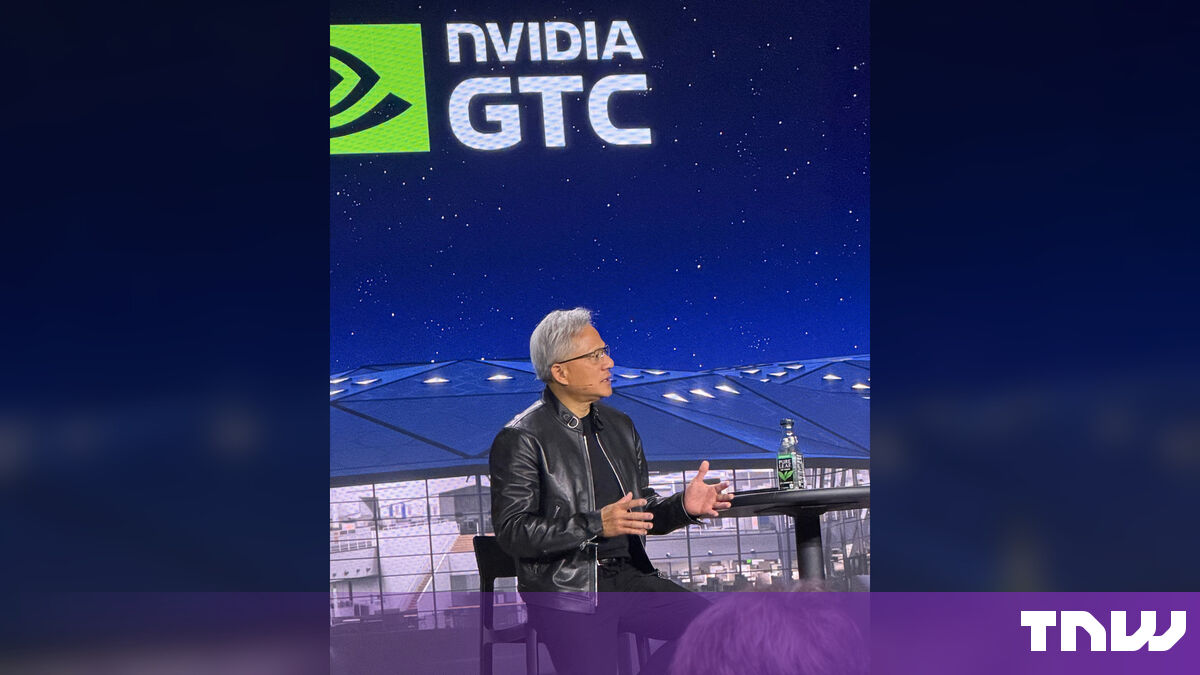
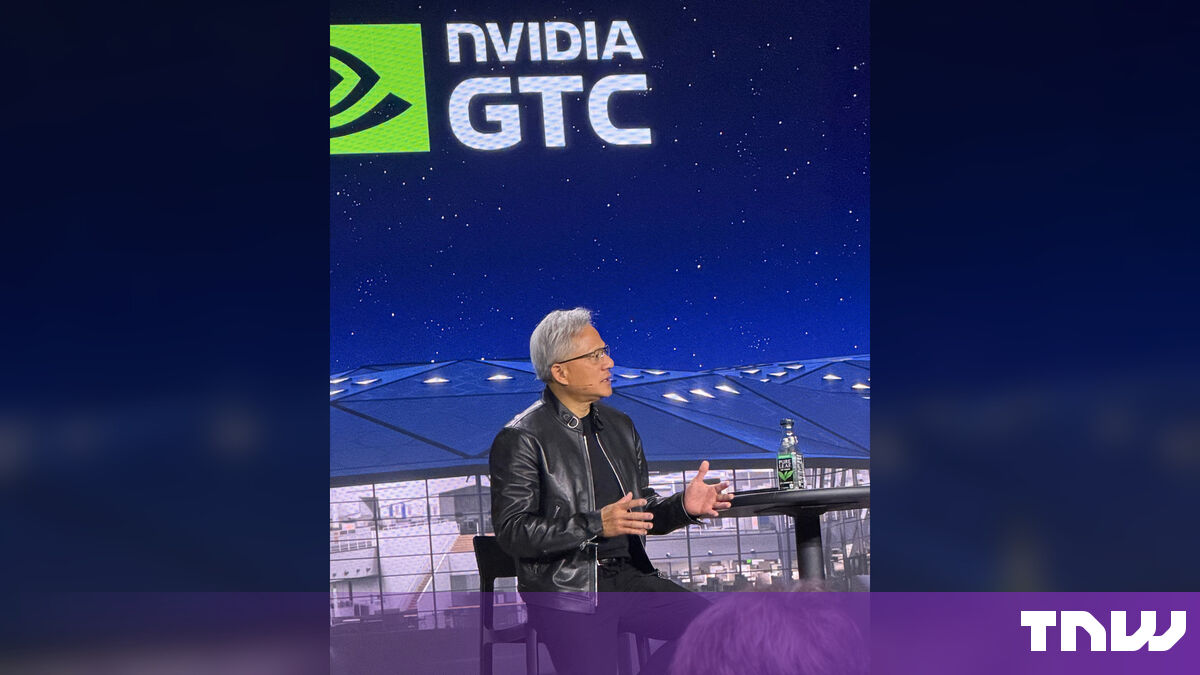
Nvidia’s deals to finance demand for its own chips can get data centres built, but only steady customer spending can justify the next ones. That is the argument of Michael Jacobides, a professor at London Business School, in a Fortune commentary published on Saturday.
The piece follows Jensen Huang’s return as Nvidia’s chief executive on 23 November, 11 days after he resigned. Shares in cloud providers CoreWeave and Nebius, both backed by Nvidia, rose by more than a fifth on the news, Jacobides wrote.
He pointed to CoreWeave as an example of how Nvidia supports its customers. CoreWeave’s quarterly filing shows it made $207m in operating profit in the three months to September, but paid $846m in net interest. Nvidia is a shareholder and has agreed to buy some computing capacity CoreWeave cannot sell.
Nvidia has also agreed to provide up to $105bn in guarantees for an Ohio data centre campus leased to OpenAI.
Jacobides said there is a good reason for this kind of support. It gets companies to invest together and makes Nvidia harder to replace. But repeat business must cover the cost of equipment, electricity and financing, he argued.
That depends on who keeps the gains from AI. Jacobides cited research in which a consultancy executive said market research jobs now sell for a fifth of their old price or less. When all rivals can make the same savings, they tend to pass them on to customers, and margins shrink.
He also cited an estimate from the BCG Henderson Institute that the planned buildout would need about $2.6tn a year in AI spending by 2030, excluding China. Jacobides is an academic adviser to the institute, which Fortune discloses.
The real test will come when computing contracts are renewed, he wrote. Investors should watch how much customers buy, for how long and at what price.