America Promised AIDS Relief. Then Abandoned Millions of People.
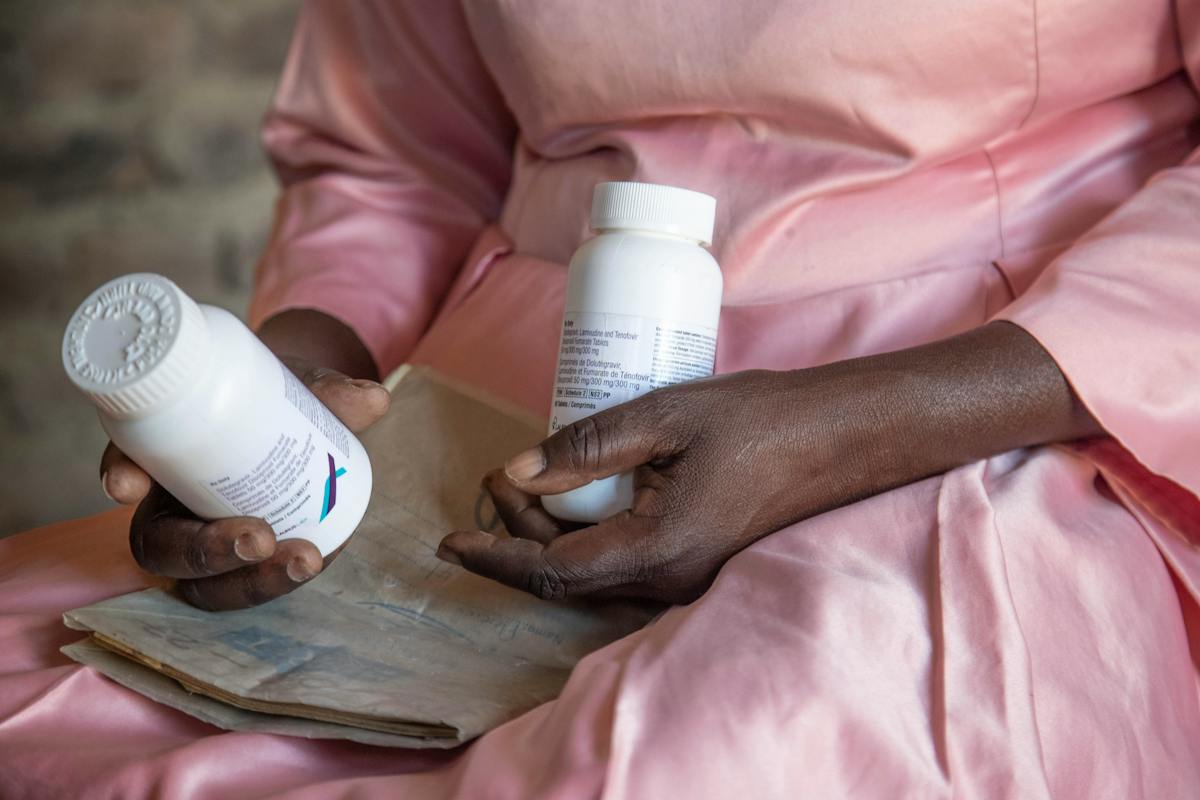

Yet the model that Lifeline offers is an imperfect one. Donnelly is far too sympathetic to his sources, and far too invested in telling an upbeat story, to provide the kind of critical account that might actually be useful to those in power in a post-DOGE, post-Trump moment—when the United States will need to reformulate a foreign policy for a world of deepening inequities and proliferating nationalisms. To understand how to engage in such a world, and how to do so in a manner that actually reduces harm, requires an understanding of subjects Donnelly doesn’t address, such as how U.S. actions in Africa created the conditions that demanded an emergency humanitarian response, and how the flaws in that humanitarian response left PEPFAR open to such a swift obliteration by the Trump administration.
In 1996, after well over a decade of unchecked suffering, the first effective AIDS medications became widely available. For most infected Africans, however, they were inaccessible or far too expensive. “Everyone seemed to be celebrating,” Donnelly recounts early in Lifeline, “but no one was talking about what it meant for the continent that was home to 70 percent of the world’s HIV/AIDS infections.” Over the next few years, patients in wealthy countries experienced miraculous improvements (a phenomenon so striking it came to be called the “Lazarus effect”), while the epidemic deepened in much of the developing world, in part because major pharmaceutical companies spent years fighting African efforts to import cheaper, generic versions of the drugs. “The disease has built up significant momentum,” a U.S. government report noted in 2002, to the point that its continued spread risked turning major hot spots like Nigeria and Ethiopia into “seriously weakened states.”
Following George W. Bush’s ascent to the presidency at the start of the millennium, most knowledgeable observers “believed that the new administration would pay little attention to AIDS in Africa,” Donnelly writes. But Bush would surprise them. Slowly, tentatively, he would direct a handful of advisers (including Anthony Fauci) to formulate an ambitious plan to combat AIDS in Africa. The president’s motivations were both humanitarian and realpolitik. In Donnelly’s telling, Bush was genuinely moved by the plight of those with AIDS, but he also felt “that a war on terror also must include some type of humanitarian response in areas of the world where Al Qaeda and other terror groups were actively recruiting members.” If the United States were seen as a benevolent source of aid, the thinking went, potential recruits might be less likely to want to attack it.