Ten Years After “Post-Truth,” Fact-Checking Is “Censorship”
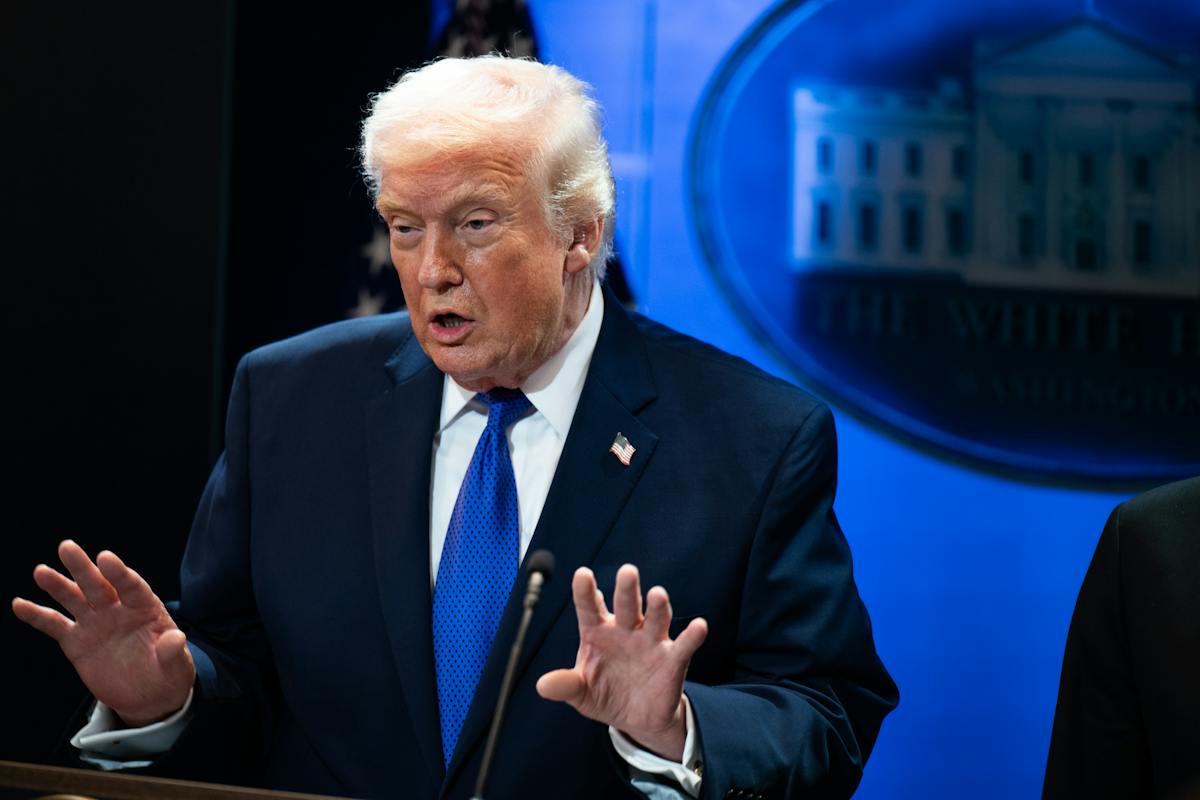

Brendan Carr was a commissioner at the Federal Communications Commission, days away from Trump picking him to chair the agency, when he sent the heads of Meta, Alphabet, Apple, and Microsoft a letter in November 2024 that lumped the ratings company NewsGuard into what he called a “censorship cartel.” On X, he added, “The Orwellian named NewsGuard along with ‘fact checking’ groups & ad agencies helped enforce one-sided narratives.” None of the groups he named answer to the FCC. If it was overreach and censorship to urge platforms to work to minimize the spread of misinformation about a deadly pandemic, wouldn’t this also be overreach and censorship?
Trump’s photo book Save America, priced at $99 ($499 signed), had a threat for Zuckerberg in it, tied, AP reported, to the money Zuckerberg gave local election offices in 2020: “We are watching him closely, and if he does anything illegal this time he will spend the rest of his life in prison—as will others who cheat in the 2024 Presidential Election.”
Zuckerberg posted a video on January 7, 2025, two weeks before Trump’s second inauguration, announcing that Meta was dropping its fact-checking partners in the U.S. (I wrote about it that day.) Early on, talking about Meta’s own moderation systems, he said, “So we built a lot of complex systems to moderate content. But the problem with complex systems is they make mistakes. Even if they accidentally censor just 1% of posts, that’s millions of people. And we’ve reached a point where it’s just too many mistakes and too much censorship.” When he got to the fact-checkers, he said, “After Trump first got elected in 2016, the legacy media wrote nonstop about how misinformation was a threat to democracy. We tried in good faith to address those concerns without becoming the arbiters of truth. But the fact checkers have just been too politically biased and have destroyed more trust than they’ve created, especially in the U.S.” The company’s written announcement, by its chief global affairs officer, Joel Kaplan, went further: “A program intended to inform too often became a tool to censor.”