Strong winds send century-old volcanic ash airborne
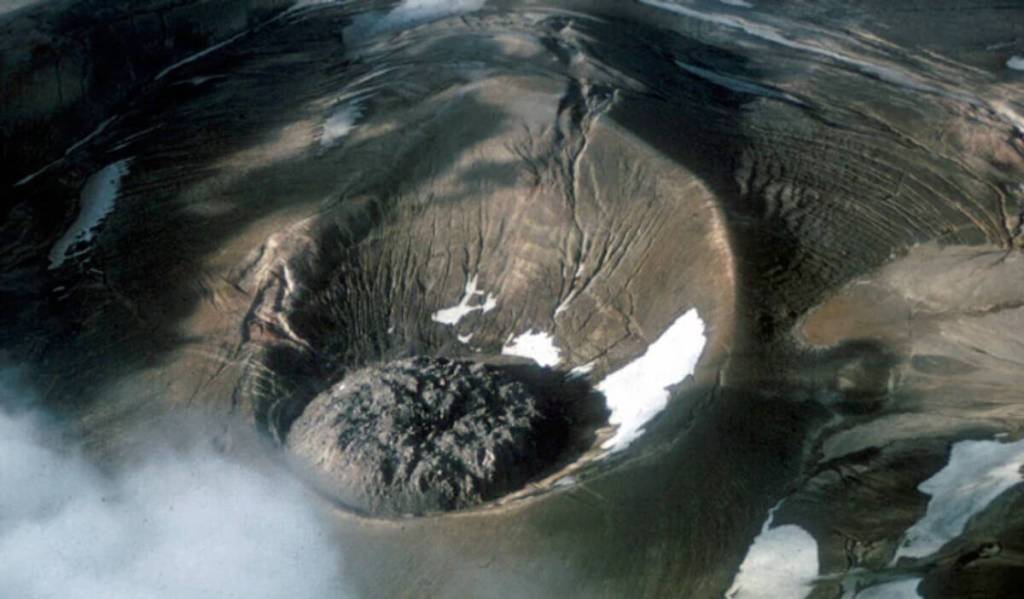

A major volcanic event from more than a century ago is still making its presence felt in southcentral Alaska.
The National Weather Service issued a Significant Meteorological Information on Monday (Nov. 16) when leftover ash from the 1912 Novarupta-Katmai eruption was resuspended due to strong wind.
The ash was the product of the largest volcanic eruption in the 20th century and was settled about 175 miles southwest of Homer in the vicinity of Katmai and the Valley of Ten Thousand Smokes for over 110 years, before strong northwesterly winds began carrying it to the southeast.
The Alaska Volcano Observatory and United States Geological Survey clarify that the event is not the result of recent volcanic activity and no eruption is in progress, adding that all volcanoes in the Katmai area remain at normal alert level. The Aviation Color Code is also at Green, however, resuspended volcanic ash is hazardous to aircraft and health.
Novarupta and the Valley of Ten Thousand Smokes were formed as a result of the great eruption of 1912, which released 30 times more magma than the eruption of Mount St. Helens in 1980. The Katami National Park and Preserve were originally created as a national monument for the 100-700 foot deep lava flows created from the eruption.
The ash cloud that erupted from Novarupta was reported to reach 100,000 feet into the air and was reported as far as Algeria in Northern Africa. While no deaths resulted from the eruption, several villages were abandoned and inhabitants relocated. The finest ash which fell in the Valley of Ten Thousand Smokes is still occassionally relofted during dry spells over 100 years later.
More information on the effects of volcanic ash can be found at volcanoes.usgs.gov/ash/. A forecast of hazardous airborne ash can be found at www.weather.gov/aawu