Soldotna family turns son’s avalanche death into safety training
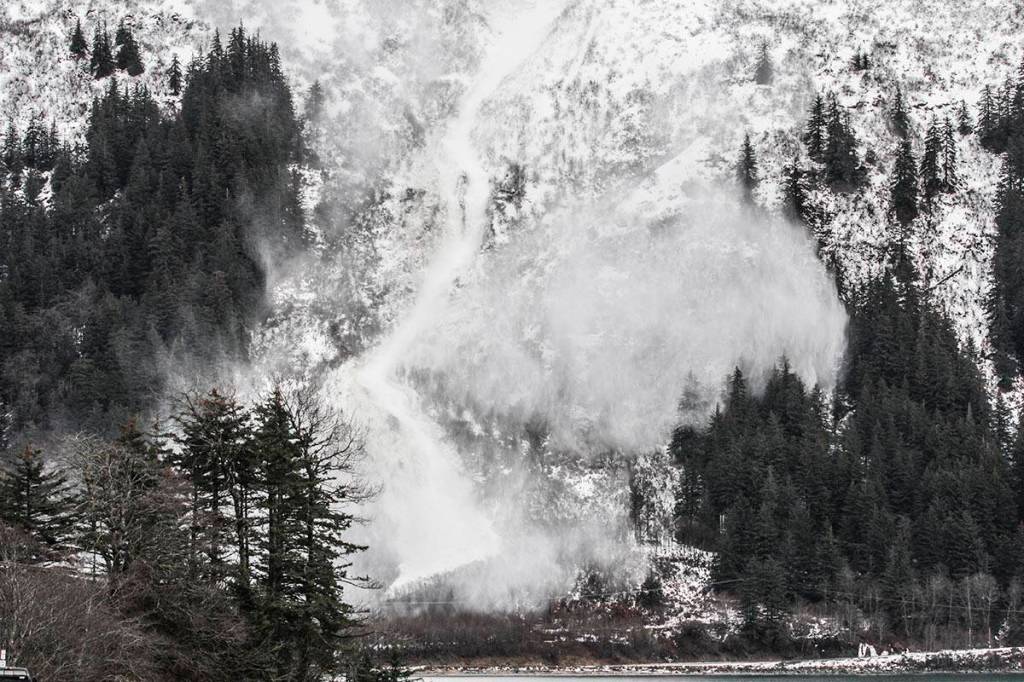

Hundreds gathered at Soldotna High School last spring to honor 16-year-old Tucker Challans with a tribute of revving snowmachine engines. This December, his parents will return to the school to offer free backcountry safety training in hopes of preventing another family from suffering a similar loss.
Aaron and Rebekah Challans, whose son died in a March 2025 avalanche at Turnagain Pass, have founded TKR Alaska, an initiative dedicated to teaching people how to recognize dangerous winter terrain, prepare for emergencies and respond when someone is caught in a slide.
Their first major two-day Avalanche Awareness and Backcountry Safety Event is scheduled for Dec. 5-6 at Soldotna High School, with a goal of attracting more than 600 participants.
The program will offer hands-on instruction from avalanche professionals and safety organizations, with sessions covering rescue equipment, emergency communication and winter survival in Alaska’s backcountry.
For the Challans family, the effort grew from a loss that changed their relationship with the outdoors.
“As his parents, we cannot change what happened to Tucker, but we can work to change what happens to someone else’s family,” Aaron and Rebekah Challans wrote in a Nov. 12 announcement to the Peninsula Clarion.
Remembering Tucker
Tucker was snowmachining with a group near Seattle Ridge at Turnagain Pass on March 22, 2025, when an avalanche swept him into a depression in the terrain and buried him beneath the snow.
The Soldotna teenager died in the avalanche, and the Alaska Mountain Rescue Group recovered his body the following morning, according to Alaska State Troopers.
An investigation by the Chugach National Forest Avalanche Center found that the avalanche broke loose on a buried weak layer approximately two to three feet beneath the surface. The slide stretched roughly 500 feet across the slope, carrying Tucker into an area where snow accumulated to a depth of about 12 feet.
The avalanche center had rated danger at the alpine and treeline elevations as considerable that day, while forecasters had warned about an unstable layer capable of producing large, human-triggered avalanches and recommended avoiding steep terrain.
For Tucker’s family and friends, however, the loss was about far more than the circumstances of the accident.
His parents described a teenager who loved fishing, hunting and snowmachining, along with the friendships that came from growing up on the Kenai Peninsula. Winter held a particular attraction for Tucker. In April 2025, Rebekah Challans recalled how excited he became when snowfall signaled the start of another riding season.
That enthusiasm was on display during his celebration of life at Soldotna High School on April 3, 2025. Hundreds attended the gathering, which ended with friends and family revving their snowmachine engines outside the school in a tribute to his favorite winter pastime.
The Challans family now wants the same sense of community that surrounded Tucker’s memorial to help other young riders understand the risks they may encounter.
TKR Alaska takes its name from the message “Terrain Knowledge and Ride Safe,” emphasizing the importance of understanding the landscape before venturing into it.
Learning before an emergency
The December event is intended for snowmachiners, skiers, snowboarders, hikers and families, including people who have little previous experience with avalanche education.
Day one of the program will focus on recognizing hazardous terrain and learning how to respond when someone is buried in snow.Participants are expected to rotate through training stations where instructors will demonstrate equipment such as avalanche transceivers, commonly called beacons, along with probes and rescue shovels.
A transceiver helps rescuers locate a buried companion carrying a transmitting beacon, while a probe can pinpoint the person’s position beneath the snow. Shovels allow rescuers to excavate the burial site.
Avalanche safety organizations emphasize that people traveling in mountainous winter terrain should assess current conditions, recognize slopes capable of producing slides and make travel decisions that limit their exposure.
The Chugach Avalanche Center’s investigation of the March 2025 accident illustrates how snow conditions can create hazards that are difficult to recognize from the surface. In that case, a buried layer of weak snow allowed the avalanche to fracture across a broad section of the slope.
Figures maintained by the Colorado Avalanche Information Center show that 28 people died in avalanches in Alaska during the 10 seasons from 2016-17 through 2025-26, the second-highest total among states during that period.
Since the 1950-51 season, the state has recorded 179 avalanche fatalities, second only to Colorado.
Five people died in Alaska avalanches during the 2024-25 season, including Tucker, and just 18 days before his death, three people were killed in a heli-skiing avalanche near Girdwood on March 4, 2025.
Research presented at the 2026 International Snow Science Workshop found that most avalanche fatalities in Alaska since 2001 occurred in areas outside the coverage of an existing local avalanche forecast. The findings underscore the importance of training people to recognize dangerous conditions rather than relying exclusively on published forecasts.
For TKR Alaska, organizers want those lessons to reach people before they face a life-threatening situation.
Building a community safety program
The Challans family says the December event is being organized with support from Alaska Safe Riders, Alaska Avalanche School and the Chugach Avalanche Center. Kenai Peninsula Safe Kids, the Kenai Peninsula Foundation are among the additional partners.
Alaska Safe Riders provides backcountry preparedness education covering trip planning, hazard recognition, survival and emergency response, and participated in an October snowmachine safety event in Soldotna that included avalanche awareness activities and beacon checks.
Through the new program, the Challans family hopes to give participants practical experience with equipment they might otherwise never learn to operate. Avalanche safety gear will be distributed through giveaways during the gathering, with fundraising intended to make protective equipment more accessible.
A second day of instruction, scheduled for Sunday, Dec. 6, will focus on CPR and Stop the Bleed training, giving participants an opportunity to learn emergency response techniques that can be useful in the backcountry and at home. Admission is free, and people of all ages are welcome.
The family hopes the Soldotna gathering will eventually become part of a larger effort to bring similar education to communities across the state. Plans include another free training event in the Wasilla area in 2027 and potential scholarships for advanced, field-based avalanche courses. Making the courses accessible without an admission fee is central to the family’s mission.
Aaron and Rebekah Challans said the support they have received from volunteers, businesses and safety organizations has helped turn their son’s memory into a community effort.
The gathering in December will return them to the school where so many people came to remember Tucker, although this time the focus will be on preparing others for the winter seasons ahead.
“If even one person walks away from this training better prepared to recognize avalanche danger, make a safer decision, or help someone in an emergency, we are making a difference,” the family wrote.
Saturday’s training is scheduled to begin at 10 a.m. Dec. 5, with check-in opening at 9:30 a.m. Sunday’s CPR and Stop the Bleed sessions are scheduled to begin at 10:30 a.m., following check-in at 10 a.m.
Both programs will take place at Soldotna High School, with additional information available through TKR Alaska’s Facebook page.