COLUMN: Mirra Andreeva wins WTA Finals, Elina Svitolina comes up short, and Charlotte gets its chance
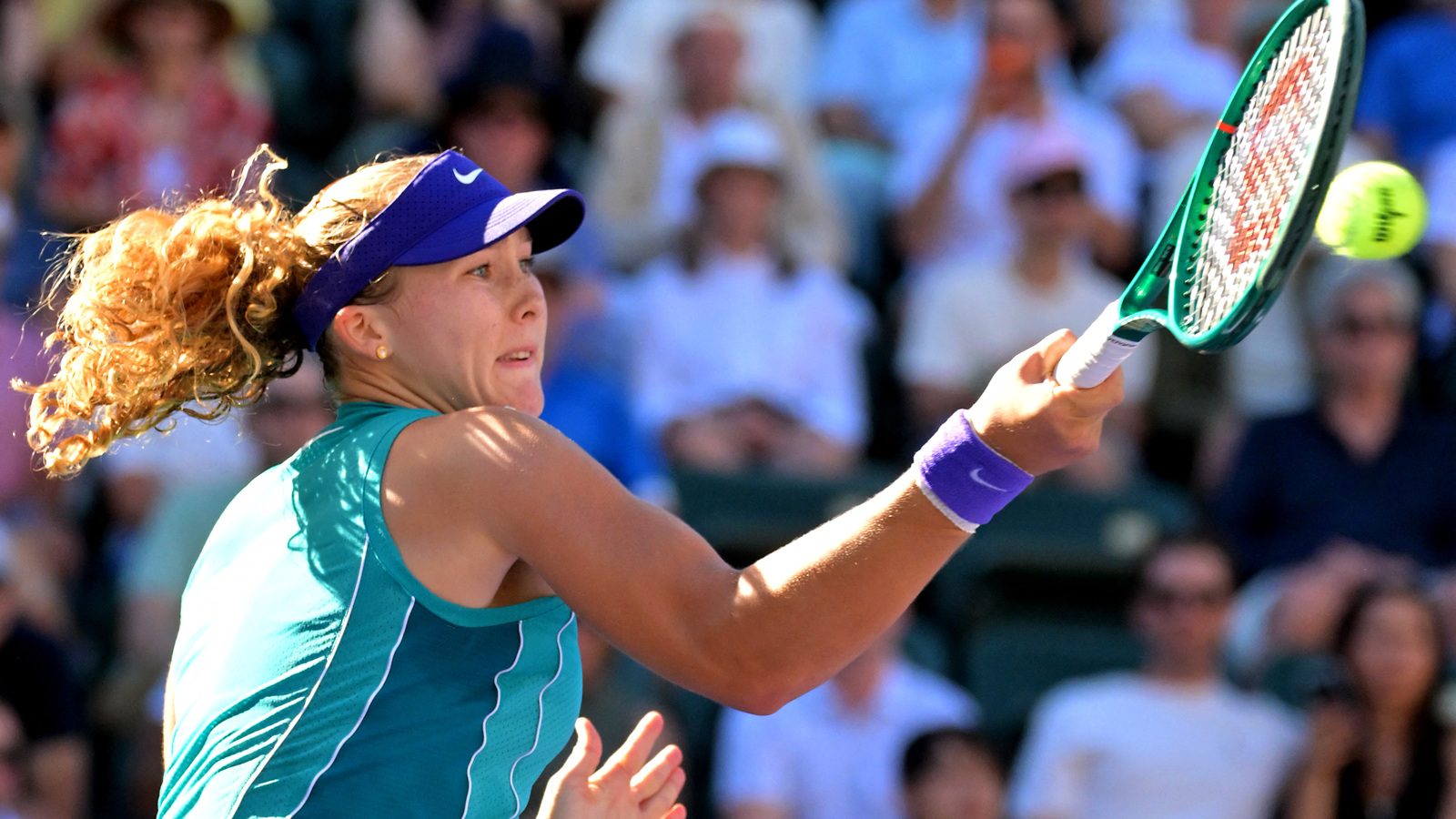
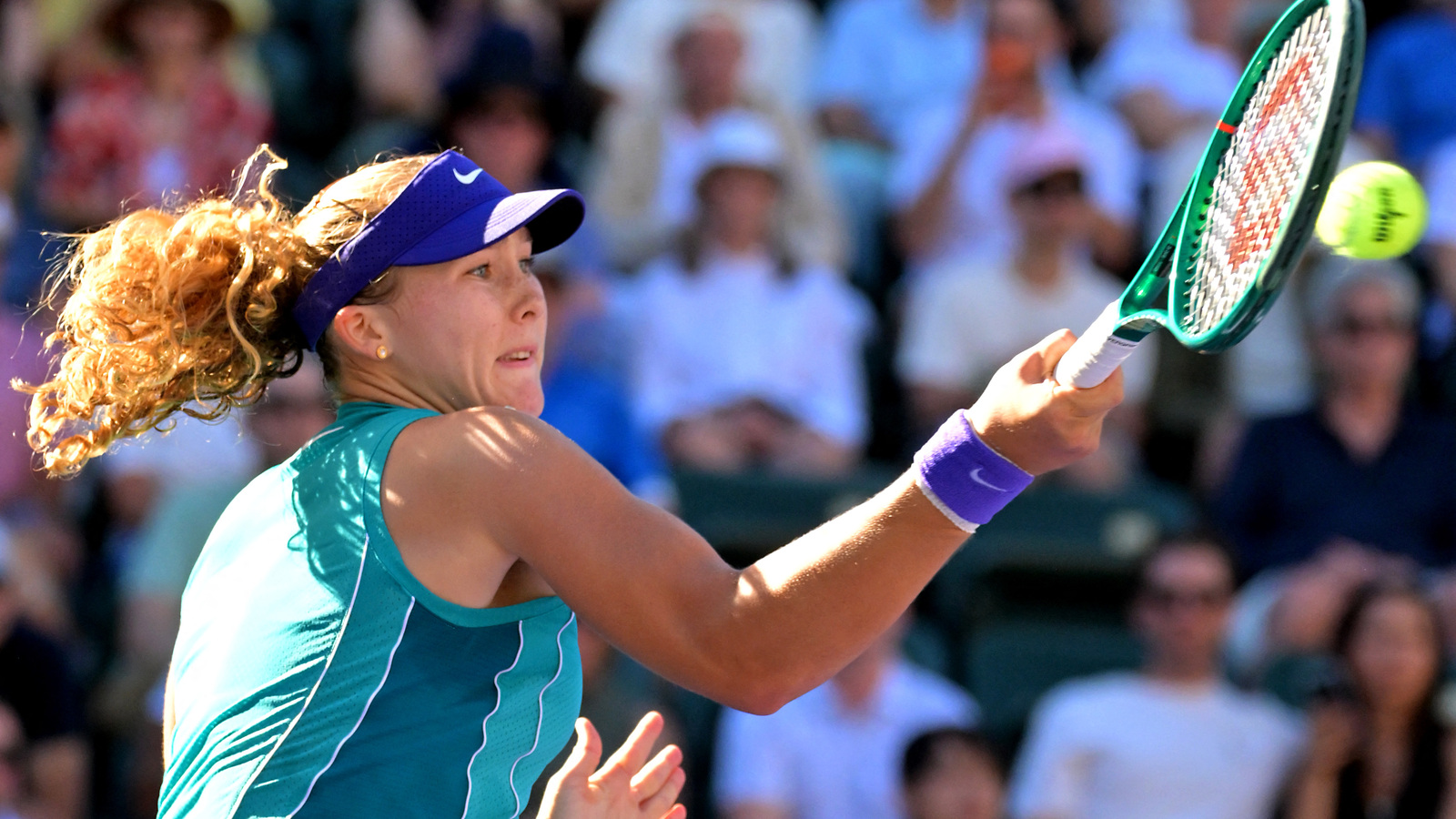
Mirra Andreeva, all of 19 years old, is the WTA Finals champion after defeating Elina Svitolina 7–5, 6–3 on Sunday afternoon at Indian Wells. It was a good match, occasionally a very good one, but not quite the spectacular finale we might have hoped for after Saturday’s extraordinary semifinals.
That’s not a criticism of Andreeva. She was the deserving champion, and frankly, I’m not sure anyone else could have beaten her this week.
What makes her victory particularly impressive is that she didn’t need to produce the same almost frightening level of tennis she displayed against Jessica Pegula in Saturday’s semifinal. She played well, took her opportunities, and never allowed Svitolina to develop the kind of sustained momentum that might have made the championship match considerably more complicated.
For a 19-year-old competing in the biggest match of her season, that’s quite an accomplishment. And while I’ve spent much of this tournament predicting that Linda Nosková would win the title, I have absolutely no difficulty acknowledging that Andreeva was the best player at Indian Wells this week.
Sometimes your prediction is wrong because you misjudged the tennis. Sometimes it’s wrong because somebody plays even better than you imagined. This was very much the latter.
| Round | Opponent | Result |
| Round-robin | Elina Svitolina | Won |
| Round-robin | Aryna Sabalenka | Won |
| Round-robin | Jessica Pegula | Won |
| Semifinal | Jessica Pegula | Won |
| Final | Elina Svitolina | 7–5, 6–3 |
The championship match began with exactly the kind of ball striking we had hoped to see. Andreeva broke Svitolina in the opening game, held serve, and quickly established a 2–0 lead. Both women were absolutely smacking the fuzz off the ball, taking chances, hitting through the court, and showing why they had earned their places in the final.
There was nothing tentative about the opening exchanges. Svitolina, who had played magnificent tennis against Sabalenka and Nosková over the previous two days, wasn’t interested in simply defending against Andreeva’s power. She was prepared to attack, change direction, and make the teenager work.
Andreeva, meanwhile, looked remarkably comfortable. That’s been one of the revelations of this tournament. We knew she was enormously talented. Anyone who has watched her over the past couple of seasons understands that.
But there’s a difference between possessing talent and knowing how to use it when the stakes become enormous.
Andreeva has spent the past week demonstrating that she understands the difference. The first set was very good tennis. Both players took chances, and neither seemed particularly interested in waiting for the other to make mistakes. Svitolina competed beautifully, but Andreeva maintained her advantage and eventually took the set 7–5.
It wasn’t the kind of set that left you breathless, but it was thoroughly entertaining. And, more importantly, it established something that would become increasingly obvious as the afternoon progressed. Svitolina was going to have to do something extraordinary to beat Andreeva.
Andreeva broke immediately to open the second set, and I wondered whether the championship match was about to end rather quickly.
After all, she’d already defeated Svitolina convincingly in the round-robin portion of the tournament. And now she had a set and a break in the final. But Svitolina wasn’t finished. She broke straight back in the second game, and for a moment, I thought the momentum might be shifting.
Tennis is funny that way. A player can spend an hour looking thoroughly in control, then lose a service game and suddenly appear vulnerable. The question wasn’t whether Svitolina could make the second set competitive. She clearly could.
The question was whether she could win two consecutive sets against an Andreeva who had been playing exceptional tennis all week. And I simply couldn’t convince myself that she could. Even if Svitolina managed to take the second set, would she have enough left to win a third? Would Andreeva’s level drop sufficiently to give her that opportunity?
Nothing we’d watched over the previous seven days suggested that Andreeva was particularly interested in helping her opponents. At 2–2, Andreeva broke again.
And that was the moment when I began to feel the tournament reaching its inevitable conclusion. There was no dramatic collapse from Svitolina, no spectacular implosion, and certainly nothing resembling what we’d witnessed from Sabalenka earlier in the week.
There was simply a better player gradually taking control of the match. Andreeva went ahead 3–2, and I had the strong sense that we’d be finished within another 20 minutes or so.
We weren’t far off. The teenager closed out the championship 7–5, 6–3, and the WTA Finals had its youngest champion in more than two decades.
| Statistic | Achievement |
| Age | 19 |
| Tournament | 2026 WTA Finals |
| Final opponent | Elina Svitolina |
| Final score | 7–5, 6–3 |
| Sets dropped | 0 |
| Tournament record | Undefeated |
I don’t want Andreeva’s victory to overshadow what Svitolina accomplished this week. Her run to the final was remarkable, particularly considering the circumstances surrounding her season and the emotional weight she carries as one of Ukraine’s most prominent athletes.
On Friday, she defeated Sabalenka in a match that featured one of the Belarusian’s more spectacular emotional collapses. On Saturday, she produced what I thought was an even better performance against Nosková, playing with extraordinary precision and composure.
By Sunday, she was facing an opponent who had barely put a foot wrong throughout the tournament. Andreeva had been the dominant player of the week. She’d dismantled Sabalenka, overwhelmed Pegula, and already beaten Svitolina once. That Svitolina made the championship match competitive is a credit to her.