Japan Actors Union pushes for heavy restrictions on AI copying dead actors

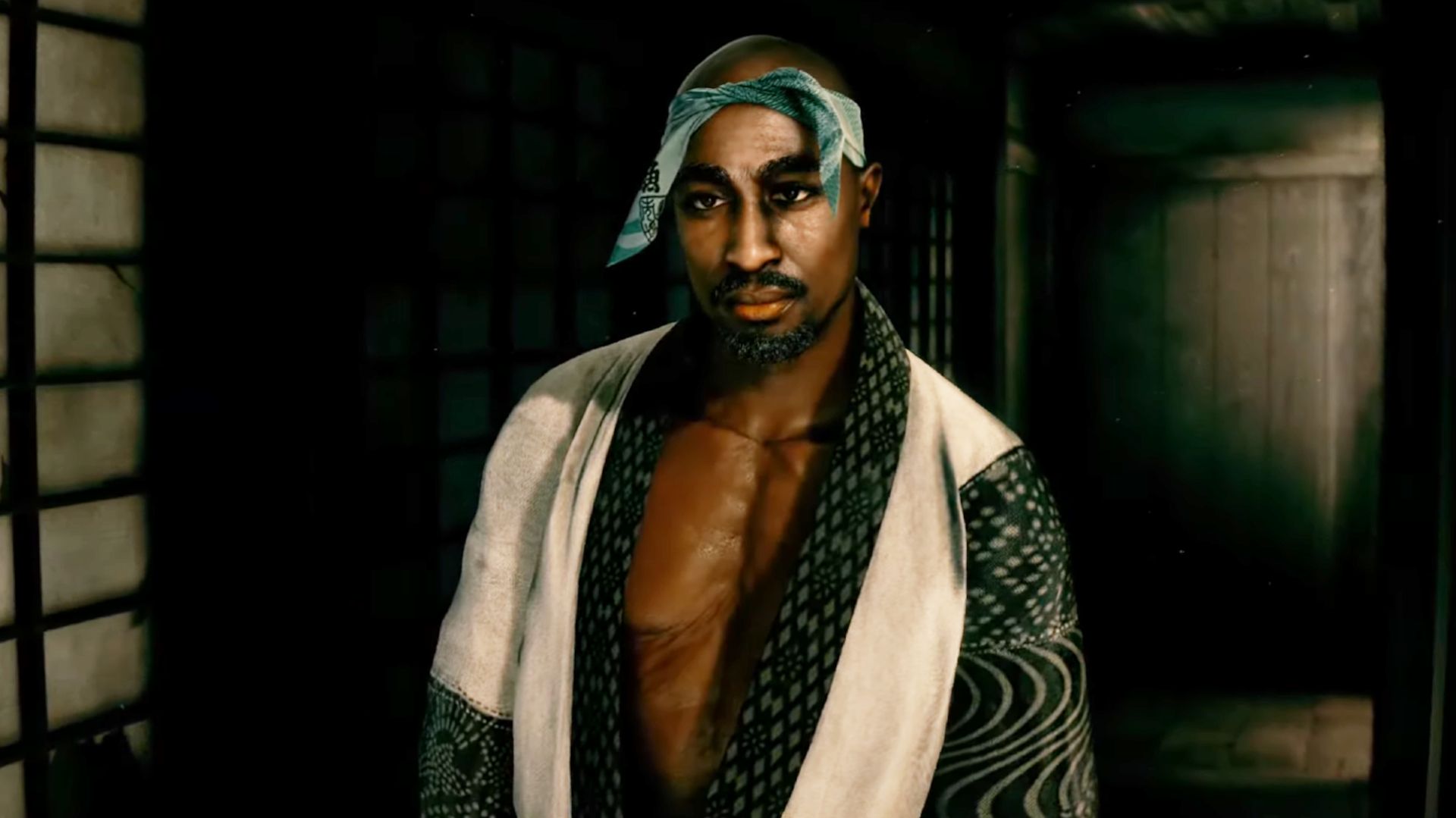
The Japan Actors Union, an org consisting of around 2,600 actors and voice actors, recently announced a series of measures to protect the rights of performers in the industry with regard to generative AI (reported in English via Automaton Media).
It’s been a hot topic both in Japan and here in the west, with Leon Kennedy actor Nick Apostolides arguing AI voice acting was something of an oxymoron: “AI can speak lines, but there’s nothing human behind it,” he said.
Rather than a full-on ban or tight regulation, the union’s proposed guidelines push for consent at “every stage.” Companies would have to disclose when an actor’s voice will be used for training, and they would also be required to negotiate compensation with actors. In other words, agreeing to have your voice generated for a short-form advertisement or whatever would be like licensing your likeness to go on a cereal box.
Latest Videos FromPC Gamer
These consent guidelines would also apply to AI-translated performances, and in a more restrictive way to the mimicry of deceased actors, such as Tupac’s controversial “appearance” in the upcoming Stranger Than Heaven.
The guidelines would ban using AI to copy a dead actor’s voice unless consent had been obtained prior to their death. They would also require consent from the actor’s living family, estate, or other administrative org, as well as royalty payments to those parties.
“It protects the dignity, honor, and legacy of deceased performers from commercial exploitation,” said the union (auto-translated from Japanese). “We respect the wishes of the person during their lifetime to the greatest extent, and when generating AI, strict permission from the family (or administrator) who inherits the rights is mandatory to prevent desecration of the deceased.”
Given the AI-related catastrophes we’ve seen in this field of the voicework world, like a facsimile of James Earl Jones slinging AI-generated slurs in Fortnite, these guidelines seem fairly gentle and reasonable. Time will tell if these pushes for actors’ rights will take hold on a larger scale within the Japanese entertainment industry and otherwise.