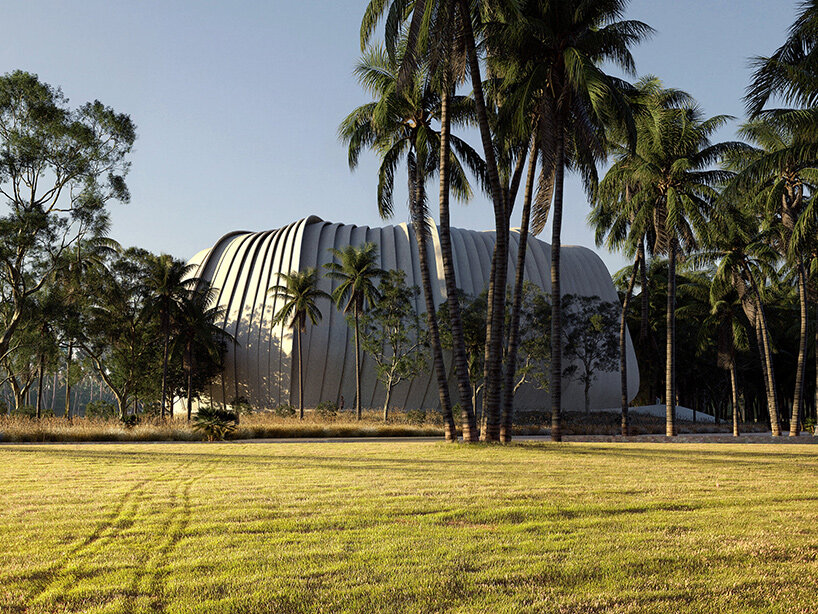
architecture for extinction: where does nature go when its habitat disappears?

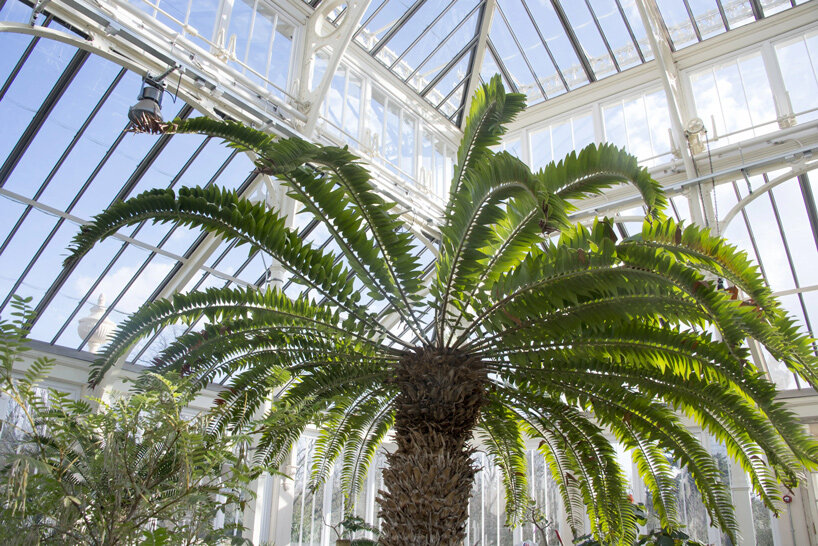
Inside London’s Kew Gardens, a cycad called Encephalartos woodii has spent more than a century beneath the glass roof of the Victorian Temperate House. Its enormous crown of dark green fronds appears perfectly healthy, though it may be one of the loneliest plants on Earth.
Discovered in South Africa in 1895, the species is known from a single wild individual. It was male. Every surviving specimen is a clone of that original plant, and a female has never been found. The species is now classified as Extinct in the Wild, while its descendants continue growing in botanical collections around the world.
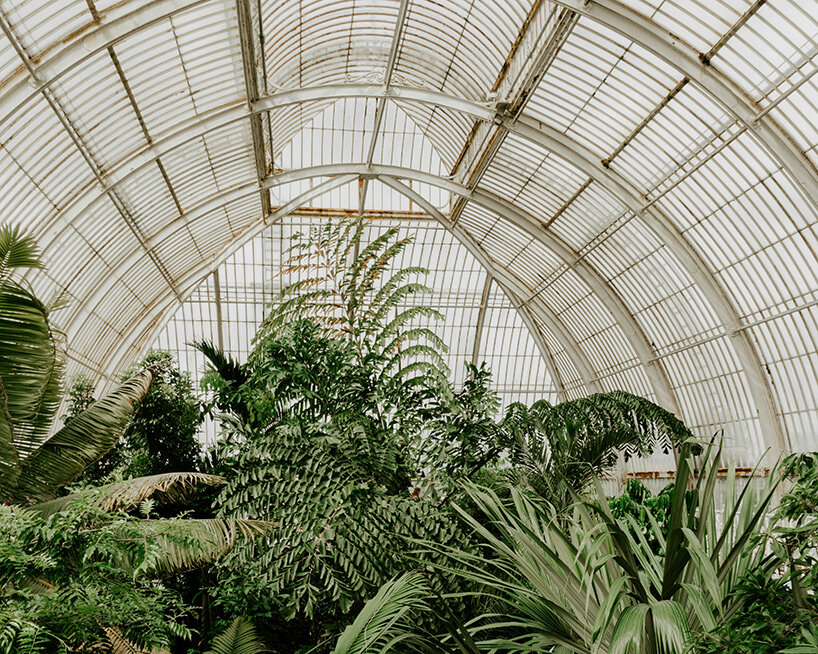
Since 1899, Kew has kept its cycad alive. Yet the glasshouse cannot provide a mate or restore the forest it once inhabited. What, exactly, has been saved?
The question points to a growing architectural responsibility. As habitats disappear, buildings are increasingly being designed to shelter parts of the natural world from the environmental changes taking place outside.
In his 2014 book Flight Ways, environmental philosopher Thom van Dooren describes extinction as the ‘slow unravelling of intimately entangled ways of life.’ A species exists through its relationships with other organisms and the places they inhabit. Preserving an individual is one thing. Sustaining the complex ecological world that supports it is another.
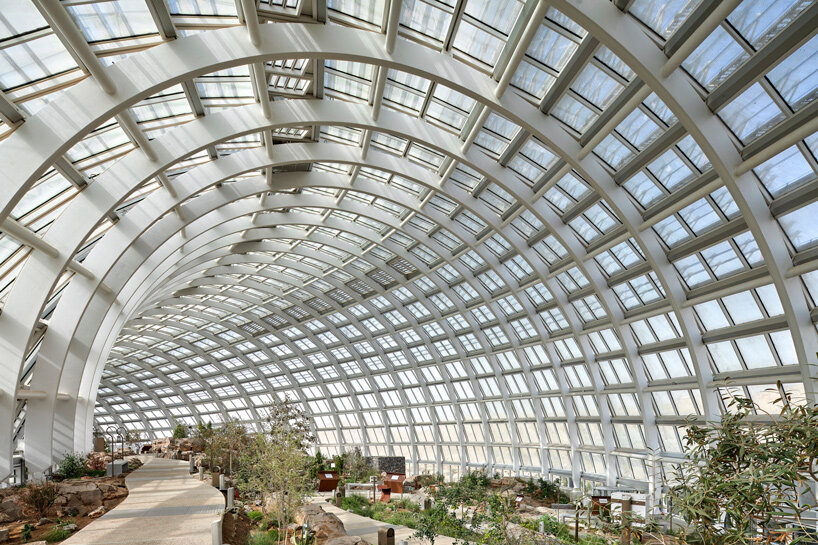
At the foot of Oman’s Al Hajar Mountains, an enormous botanical garden is taking shape across 420 hectares of desert terrain. Designed by Grimshaw with Arup and Haley Sharpe Design, the Oman Botanic Garden will bring the country’s varied landscapes together, including the misty forests of Dhofar and the cooler mountain environments of the north.
Two sweeping glass biomes will recreate the conditions required by some of Oman’s most sensitive native plants. Cooling systems regulate the interior climates, while integrated shading controls the intense desert sunlight. Entire mountain environments are being reconstructed inside buildings, with the needs of endangered plant species informing their architectural design.
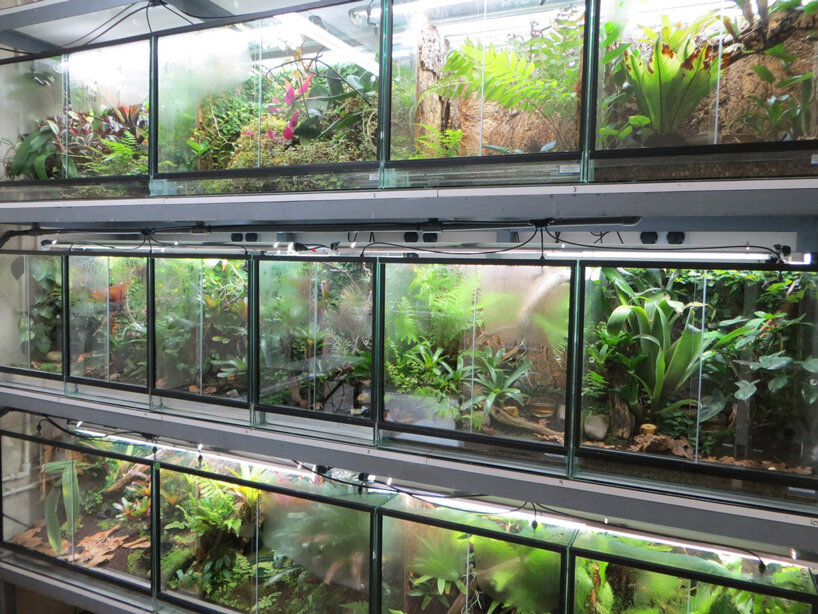
At Jersey Zoo, operated by the Durrell Wildlife Conservation Trust, an ordinary room lined with glass terrariums contains miniature tropical habitats for poison dart frogs. Each enclosure maintains the conditions required by its inhabitants, with sprinklers and fogging machines simulating the rainfall that encourages the animals to breed. For strawberry poison dart frogs, the process involves an extraordinary ritual: mothers transport their tadpoles into small pools of water held within bromeliad plants, returning periodically to feed them unfertilized eggs.
The dendrobatid breeding room, photographed by Matt Goetz in 2015, offers a glimpse into this manufactured ecology. Even the frogs themselves change under artificial conditions. In their native forests, poison dart frogs acquire their characteristic toxicity from the insects they consume. In captivity, a different diet leaves them largely harmless. The animals can survive and reproduce inside their miniature rainforests, though the chemistry of their bodies reveals how deeply their biology depends on the world beyond the glass.
The ocean is becoming another subject of architectural preservation. In Port Douglas, Australia, Great Barrier Reef Legacy’s Forever Reef Project maintains more than 225 coral species within controlled aquarium systems. A proposed Living Coral Biobank, designed by Contreras Earl Architecture with Arup, imagines a permanent home for the collection within a sculptural concrete building inspired by mushroom coral.
The proposal remains unrealized, while the existing facility continues operating. Its living colonies offer a glimpse of a future in which fragments of a reef survive through artificial systems, even as their original marine habitats become increasingly hostile.