Kenai Peninsula Borough warns tax change could cost millions

A proposed change to Alaska’s oil and gas property tax rules could cost the Kenai Peninsula Borough nearly $11 million and substantially reduce funding for public services in Nikiski, borough officials warn.
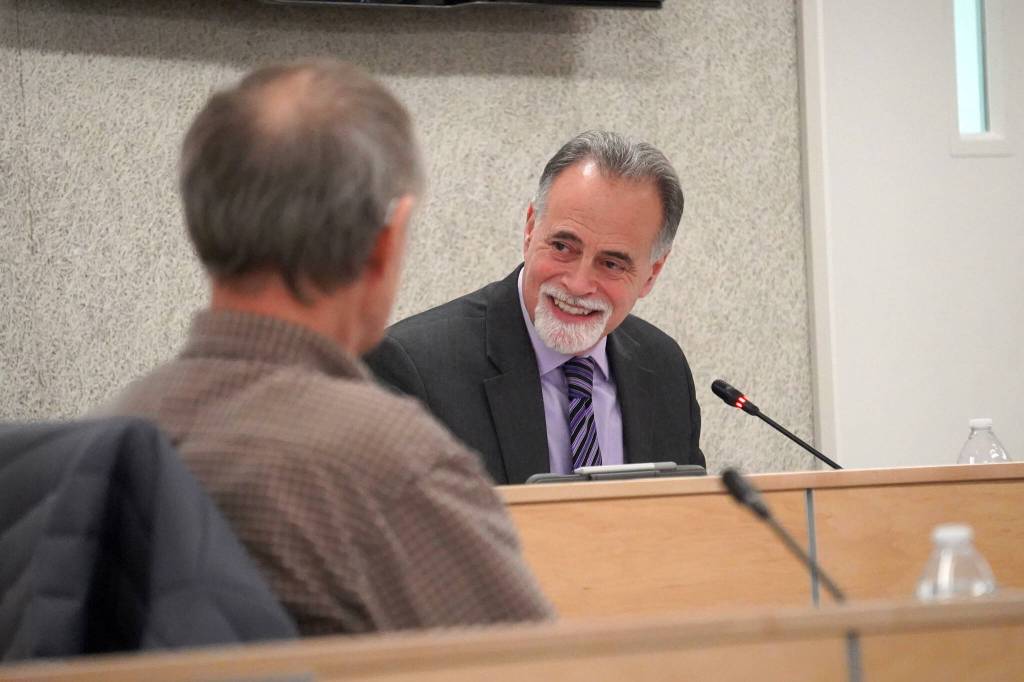
Mayor Peter Micciche raised the issue during the Borough Assembly’s Nov. 10 meeting, criticizing the outgoing administration of Gov. Mike Dunleavy for pursuing the changes shortly before leaving office.
The Alaska Department of Revenue’s Oct. 29 proposal would allow oil and gas companies to exclude more drilling-related costs when determining the taxable value of their properties.
Three days after the assembly meeting, borough officials submitted a formal objection estimating the changes could reduce local petroleum property tax revenue by approximately $10.9 million. The borough estimated that affected service areas could lose nearly 40% of their revenue, threatening funding for emergency response and other public services.
Micchiche warned the financial consequences could be particularly severe in Nikiski, where some service areas could lose as much as half their funding.
“It’s very quiet, and we’re going to make sure it doesn’t remain quiet because it is a terrible way to move public policy,” he told assembly members.
Under Alaska law, qualifying oil and gas properties are subject to a statewide 2% property tax, with municipalities entitled to collect some or all of the revenue generated within their jurisdictions.
Current rules exclude some well-drilling expenses from property taxes. The proposed changes would extend those exemptions to costs associated with completing wells, installing equipment and building drilling pads and access roads. State officials say the changes would clarify which expenses are exempt and bring the rules more in line with federal tax definitions.
However, borough leaders disagree, arguing that the changes would remove substantial amounts of taxable property from local assessments without authorization from the Legislature.
On Nov. 19, the North Slope Borough filed a lawsuit seeking to block the proposal, warning that more than 70% of its assessed property tax base could be at risk. The Kenai Peninsula Borough and Alaska Municipal League have separately submitted objections but are not plaintiffs in the lawsuit.
No formal action was taken that evening, and the Department of Revenue is accepting public comments on the proposed regulations until Nov. 30.
Hospital reports $6.8M in unpaid care
In a separate presentation, Central Peninsula Hospital reported providing approximately $6.8 million in care it was not paid for during the first quarter of fiscal 2027.
Chief Operating Officer Karl Hertz told assembly members that the hospital was on pace to provide roughly $27 million in uncompensated care for the full year if the trend continued.
The figures cover July through September and include financial assistance for patients who cannot afford treatment, along with unpaid bills the hospital writes off.
Although bad debt was relatively consistent with the previous year at slightly more than $4 million, financial assistance increased approximately 30% compared with the same period a year earlier. Hertz said the hospital’s uncompensated care represented roughly 3% of gross patient revenue, a relatively small share that nevertheless amounted to millions of dollars in treatment.
Meanwhile, operating income improved compared with the previous year, helped by reductions in contract labor and employee benefit expenses that came in below budget.
Net patient revenue increased slightly, but Hertz attributed the improvement entirely to higher prices rather than additional patients.
He encouraged residents who might otherwise postpone medical treatment because of financial concerns to contact the hospital’s financial counselors about assistance programs.
Recruitment efforts are continuing as the hospital prepares to expand several specialties.
Two internal medicine physicians are expected to join its general medicine clinic in January, followed by the launch of an ear, nose and throat service in April.
The hospital is expanding its existing services as well, with construction underway at the dermatology clinic on North Binkley Street to accommodate Mohs surgery, a specialized treatment for certain skin cancers.
Additionally, the hospital is relying on visiting specialists from Alaska Urology following the retirement of a longtime physician, while it continues searching for a permanent replacement.
In other news, the hospital reported increased participation in community health fairs, with blood-draw numbers rising 43% since 2023 following the expansion of men’s health and maternal health programs.
Hertz noted that the hospital hopes to build on that participation by encouraging more residents to seek preventive care, while continuing to provide financial assistance to those who might otherwise struggle to afford treatment.