‘I think that he may require a pretty significant period of reconditioning’ – Choppy waters ahead for Jannik Sinner with ‘highly irritable’ injury
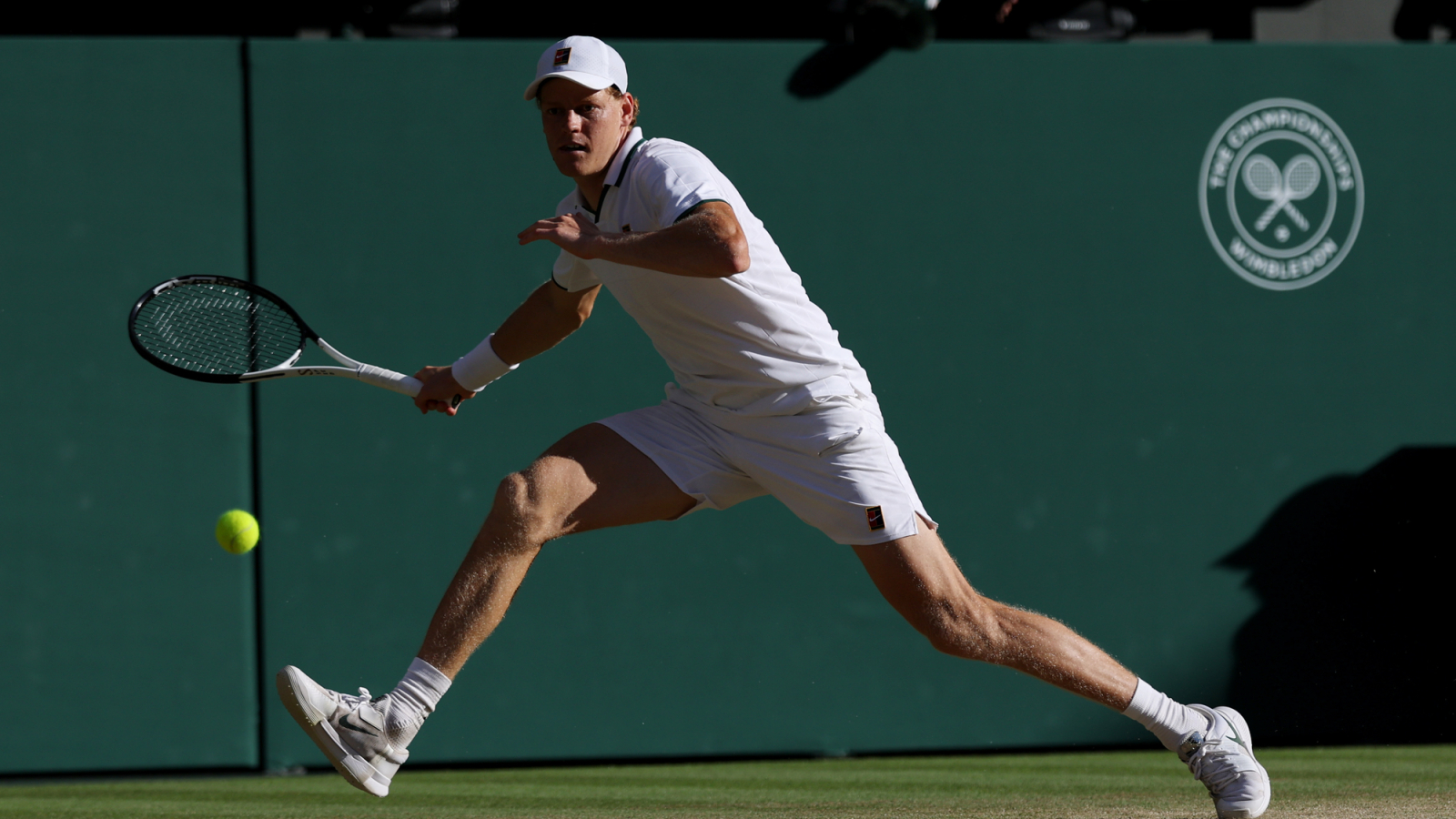

Jannik Sinner is set to be on the sidelines for a very long period of time following undergoing surgery on his right knee. Added to his recent weight loss, that could be a big problem for the five-time Grand Slam champion, according to leading injury prevention and athlete welfare expert Stephen Smith.
Sinner last stepped foot on court at Wimbledon back in July. There, he successfully defended his title against Alexander Zverev in a fine result. That was added to the five Masters 1000 titles he won previously that year.
He was hopeful of continuing his winning charge throughout the rest of the season, but that was cruelly taken away from him, as a string of tournaments were withdrawn due to iliotibial band syndrome (ITBS). Sinner would spend months waiting for the problem to resolve itself, but after consulting numerous experts, surgery had been decided as the way forward.
Travelling to Turku, Finland, he met up with renowned orthopaedic surgeon and specialist Lasse Lempainen doing it. Sinner will now complete a long period of rehab, with reports suggesting he could be out for around three to four months with the Australian Open most certainly off the cards.
Smith, the founder and CEO of Kitman Labs, shared his knowledge on the injury Sinner had picked up, stressing that rest would be crucial in his recovery.
“ITB syndrome is an overuse injury,” Smith told Tennis365. “It can be very similar to something like Achilles tendonitis, but it’s coming from the tendon that runs down the side of your upper leg and inserts into the top of your knee.
“It’s not like somebody doing an ACL or rupturing an Achilles, or something like that — that will keep you out for an 8-12 month kind of period. But it can be highly irritable, and it’s the type of thing that generally needs quite a lot of rest to be able to respond or overcome that type of condition.”