Samsung Eyes Two-Year Galaxy Watch Cycle, Software Focus
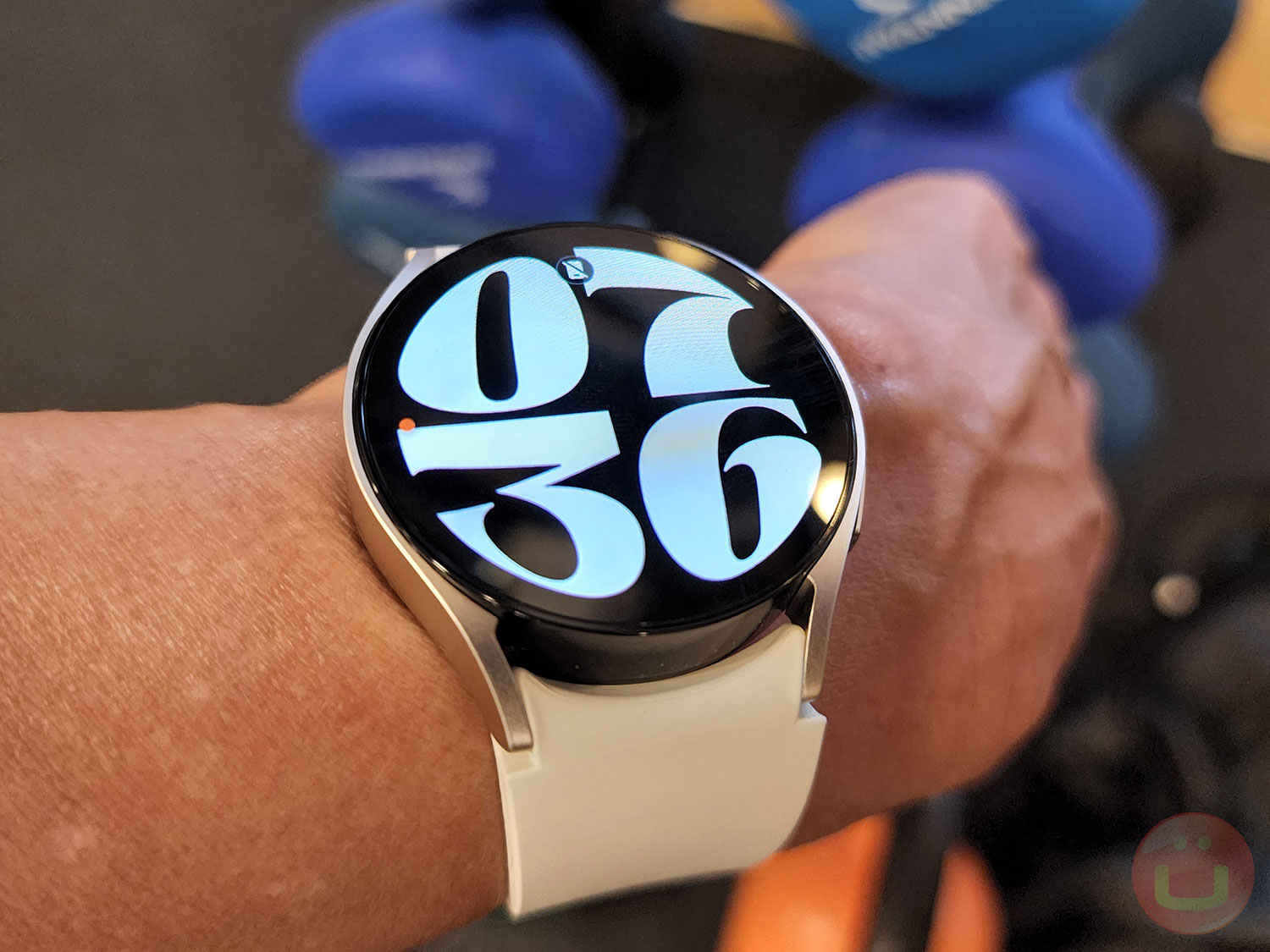
As tech fans, we know that yearly updates for phones are indeed getting more and more incremental; now imagine that for smartwatches? We could argue it’s even worse. What if… the manufacturer could, instead of putting their team working on another incremental update, focus on software development to make the user experience even better? Apparently, that’s what the big South Korean tech company we all know and love is about to do.

Samsung may transition its Galaxy Watch lineup from an annual release schedule to a two-year launch cycle, according to a new industry report from South Korea. This potential shift would mark the first break in the company’s yearly smartwatch release pattern since the original Galaxy Watch debuted in 2018.
The report, citing unnamed industry sources, indicates that Samsung Electronics’ Mobile eXperience (MX) division has experienced financial losses over the past two consecutive quarters. To restore profitability and streamline operations, the company is reportedly evaluating several structural adjustments across its mobile and wearable portfolios.
Key factors driving this strategic shift include:
Rather than introducing a flagship smartwatch next year, Samsung will reportedly prioritize software updates and feature enhancements for existing Galaxy Watch models. This approach aims to extend the lifecycle of current hardware while reducing research, development, and manufacturing expenses associated with yearly hardware refreshes.

To maintain a presence in the entry-level wearable market during the off-year, Samsung is expected to release a new Galaxy Fit model. This budget-friendly fitness tracker will fill the product gap, offering consumers a lower-cost alternative while the primary Galaxy Watch series undergoes a longer development cycle.
If we stop and thinkg about it, a two-year launch cycle for the Galaxy Watch makes a lot of strategic and financial sense right now, though it carries real competitive risks.
We understand that the move is primarily a defensive reaction to financial pressure—specifically two consecutive quarters of losses in Samsung’s Mobile eXperience (MX) division and rising component costs (“chipflation”).
However, this could be a very welcome change because it also aligns with how people actually buy smartwatches—we’re not talking about the die hard tech fans, just regular people—I am personally rocking an Apple Watch Series 10 when we already have the Series 12 being sold. What’s your take on this possible change?
Filed in . Read more about Galaxy Watch, Rumors and Samsung.