How the War in Iran Will Remake the Global Energy Order

When the United States and Israel went to war against Iran, restricting access to a fifth of the world’s oil and much of its gas through the Strait of Hormuz, Fatih Birol, the head of the International Energy Agency, called the market disruption the greatest threat to global energy security ever.
On Thursday, nearly nine months into the conflict, Mr. Birol and the I.E.A. declared that the upheaval has permanently reshaped the world’s energy system.
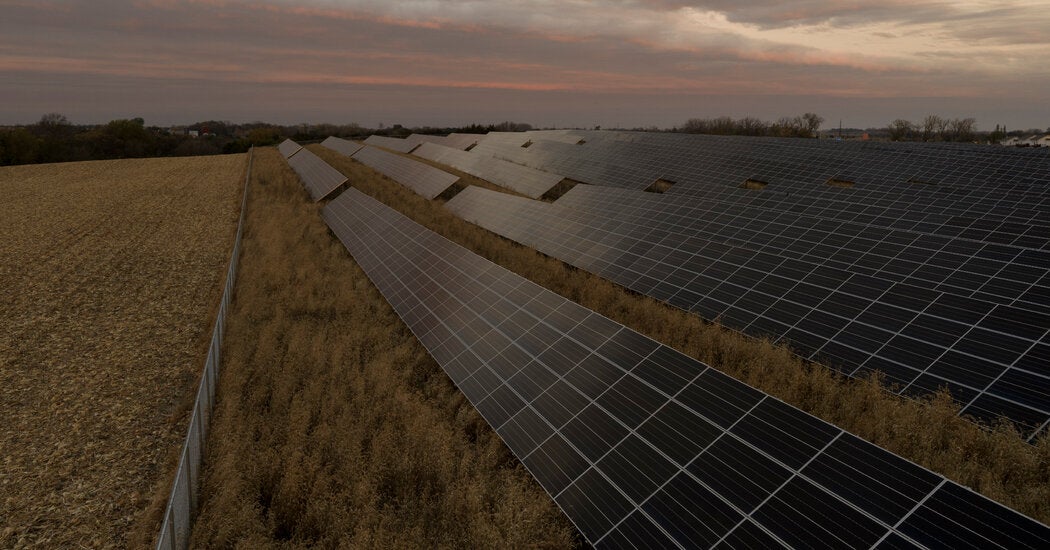
In its most thorough assessment yet of the war’s impact on energy, the agency found that the conflict has accelerated a shift toward electrification and domestic power generation. The war in Iran has shattered the Strait of Hormuz’s reputation as a reliable energy corridor — making a return to prewar conditions unlikely despite a recent recovery in Persian Gulf oil exports.
“I don’t see any credible pathway for the energy world to return to the way it was before,” Mr. Birol said in a statement accompanying the agency’s World Energy Outlook report.
The I.E.A., based in Paris, is a multinational organization that conducts extensive research on energy and advises member nations on policies. The agency was established as a counterweight to the Organization of the Petroleum Exporting Countries, or OPEC, after the oil shock caused by the 1973-74 Arab oil embargo.