How Nvidia Chips Ended Up Within Reach of China’s Military

In 2023, as the artificial intelligence boom took off, Alice Huang and her husband, Kang Wei, were pitching investors in Shanghai on a plan to build an A.I. business in Southeast Asia.
Working from a colonial mansion in the city’s former French Concession neighborhood, the couple boasted about Ms. Huang’s relationship with Jensen Huang, then Nvidia’s chief executive, who they said would guarantee a supply of powerful computer chips.
They also hinted at a deep-pocketed customer that would pay for access to those chips and anchor the business, according to two people who attended the meetings. The company created after those pitch sessions, a Singapore firm called Megaspeed, purchased more than $4 billion in Nvidia chips over the next few years.
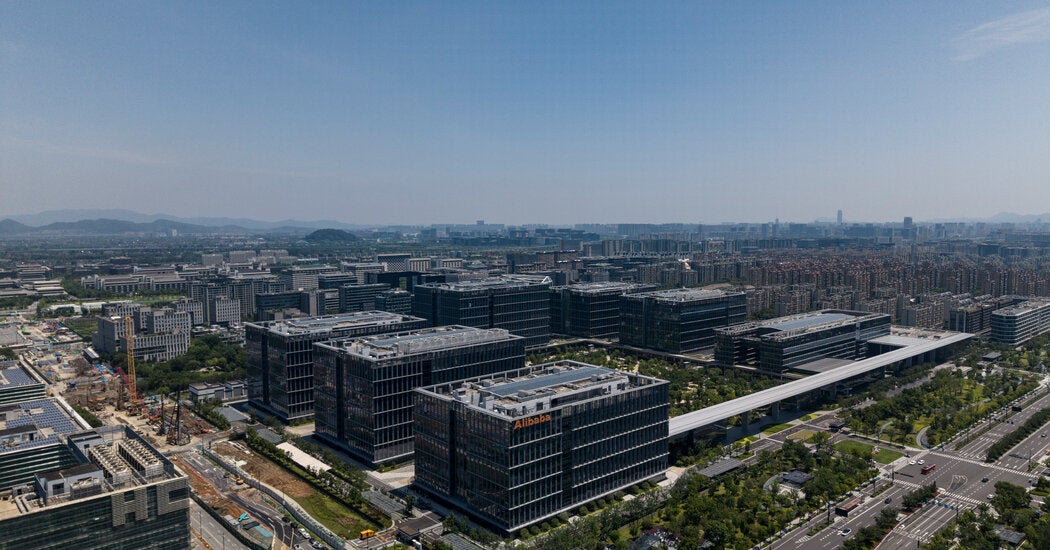
Megaspeed’s customer and financial backer turned out to be Alibaba, the Chinese internet giant, according to three people familiar with the relationship. Alibaba is a colossus, with a wide range of businesses. It also co-founded an A.I. lab with strong ties to China’s military, where researchers have worked on tasks such as automating cyberattacks and simulating war games.
For the past several weeks, Nvidia has been convulsed by revelations that Mr. Huang had an extramarital relationship with Alice Huang, who U.S. officials say is an asset for Chinese intelligence and was passing information to Beijing. But beneath the scandal is a geopolitical tug of war over access to the advanced Nvidia chips that help power the global A.I. boom.
The web of relationships between Megaspeed, Alibaba and Nvidia exposes a supply chain that often circumvents efforts by the United States to keep those chips out of China’s reach. The fact that Alibaba has access to the Nvidia chips and is only one step removed from the military-linked A.I. lab is exactly what intelligence officials in Washington have long feared. The technology could help China develop more sophisticated weapons, carry out cyberattacks and integrate A.I. into the battlefield.