10 Numbers That Might Change How You See Asia
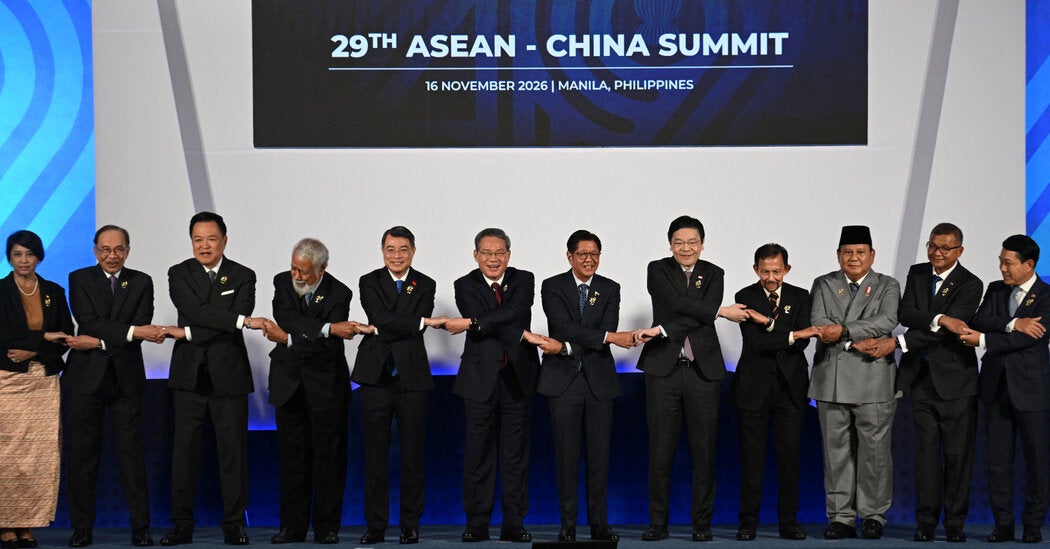

President Trump’s trip to Asia this week will largely be seen as a test of American power in the main region where the United States and China compete for influence.
His meetings in Manila and Shenzhen, China, will be scrutinized for shifts on trade and security. Deals he might strike with Beijing — plus a gathering with President Xi Jinping of China and President Vladimir V. Putin of Russia — will put the world’s great-power contest on display, as all three seek to show strength.
But Asia is not just a theater of competition. Many countries in the region have become wealthier, more technologically advanced and increasingly interconnected. Especially now, as China’s military becomes more threatening and the United States less reliable, they are hedging against greatness and relying more on neighbors.
Asian students and workers are moving to neighboring states. Countries with expanding defense industries are selling weapons to new partners. Nations that compete for high-tech investment are even making plans to cooperate on energy and cybersecurity.
“They’re all looking at what more they can do together when the great powers are behaving so badly,” said Ted Osius, a former U.S. ambassador to Vietnam and adjunct professor of geopolitics at Fulbright University in Ho Chi Minh City. “If you’re a middle power, you’re thinking ‘I need more options.’”
Here are a few numbers that provide a sense of what the region contributes to the global economy, and how its nations are becoming more bound together to shape the world.