Flavio Cobolli is a top-10 player who lost more points than he won: what the statistic says, and what it does not
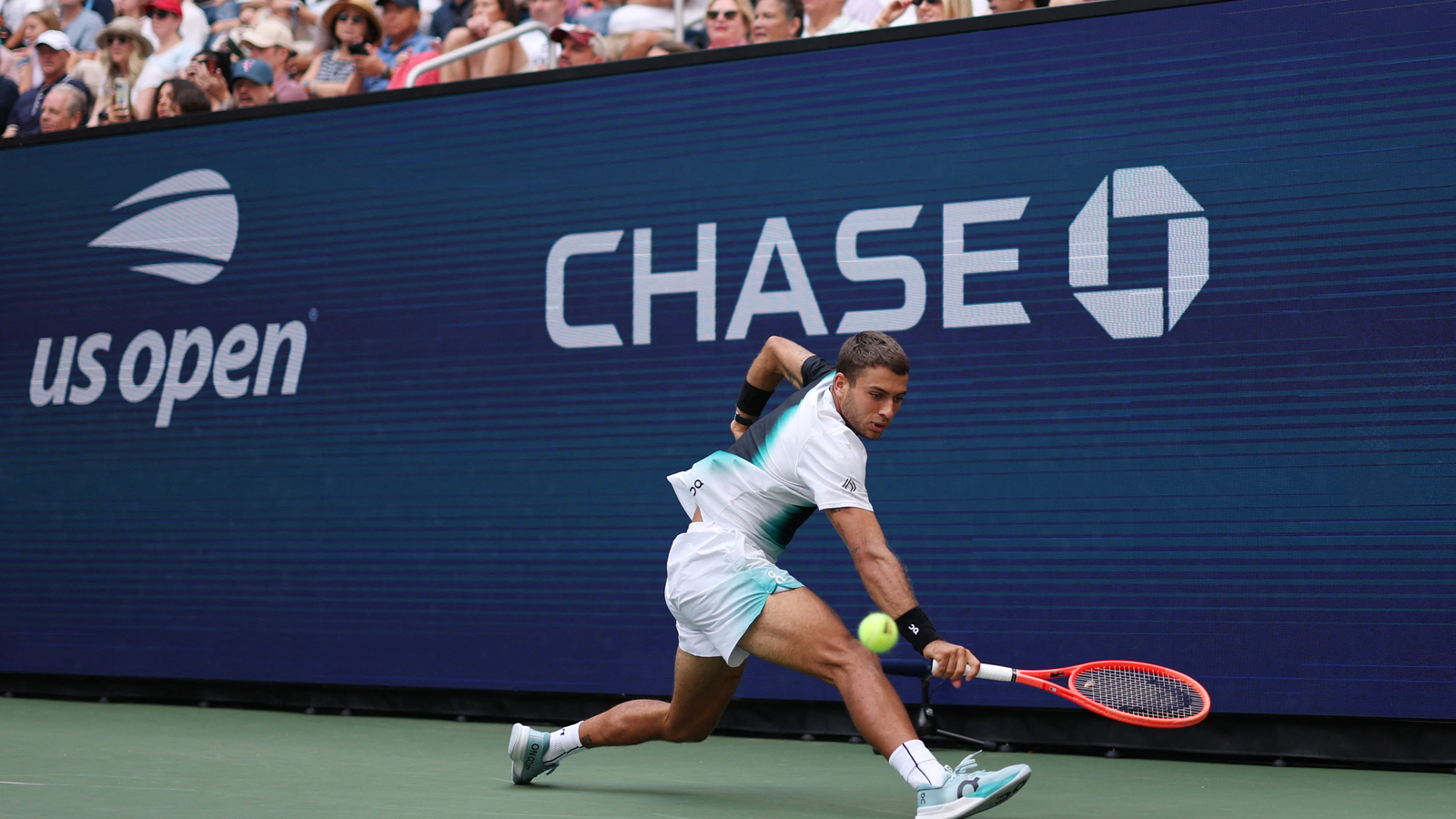
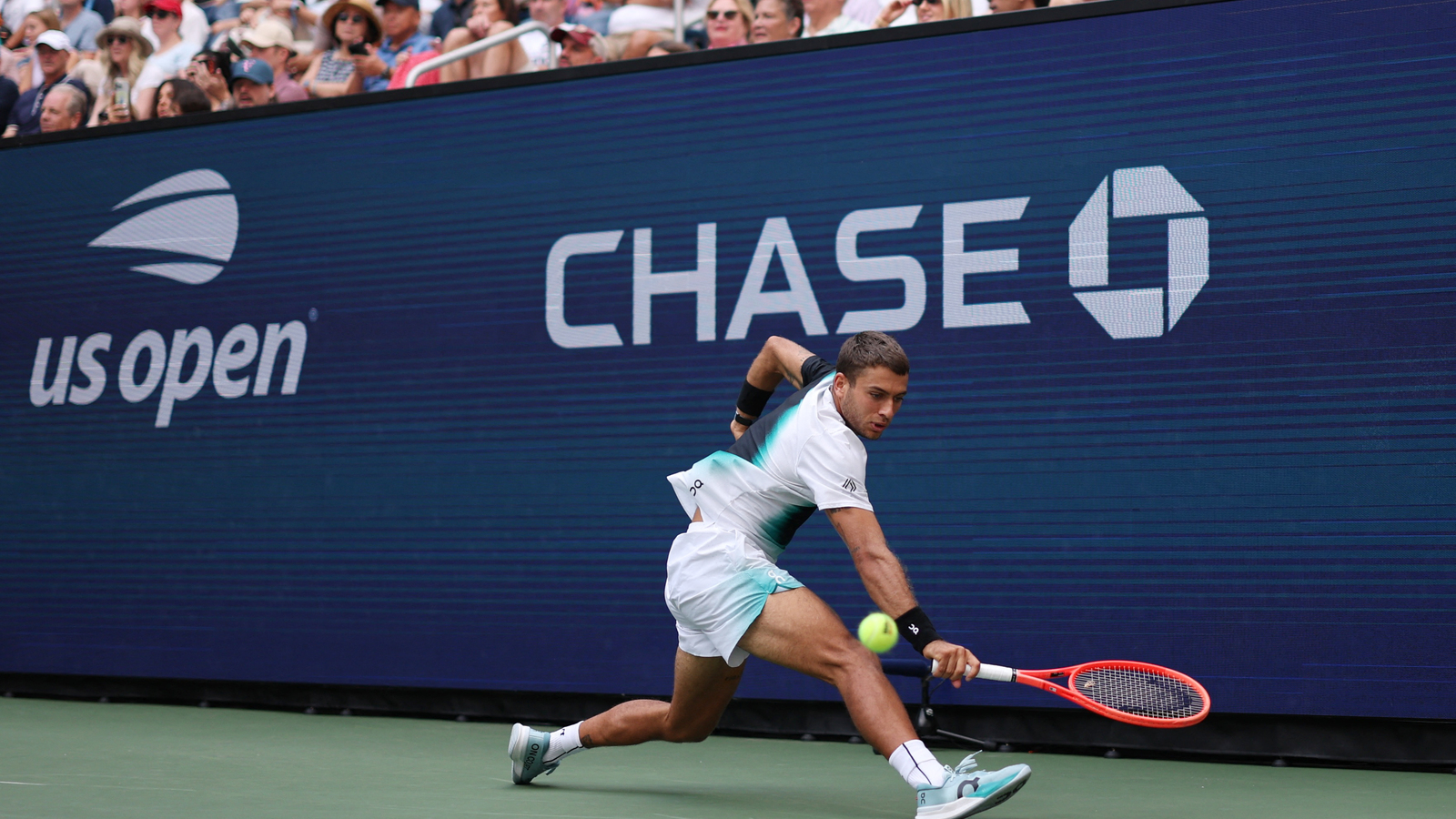
Flavio Cobolli is the world No. 6, he has qualified for the ATP Finals for the first time and he has played a Grand Slam final this year. He has also won 49.5% of the points he has played in 2026, which means he has lost more than he has won. According to Jeff Sackmann of Tennis Abstract, that makes him likely to finish the season as the first top-10 player to do so since the data begins in 1991.
The figure is a continuation of a trend. In 2025, when Cobolli finished No. 22, he won exactly 50% of his points. This year he moved ten places up the ranking and lost a little more than he won.
It does not fit with the results. Cobolli reached the Roland Garros final, won the Acapulco ATP 500, reached the Cincinnati semifinals and the Wimbledon quarterfinals, and clinched his place in Turin on November 3, when Casper Ruud beat Rafael Jodar in Paris. He has beaten established top-10 players as Alexander Zverev and Daniil Medvedev.
The question is whether the statistic is a warning or a curiosity. The numbers behind it say it is a bit of both, and that the most useful reading is about how Cobolli wins matches, not about whether he deserves to be in the top 10.
Points won is the simplest measure of dominance in tennis: the player who wins more points wins more matches, over time. No top-10 player since 1991 has finished a season below 50%, and Cobolli is at 49.5% with the Turin week still to play.
The closest precedents are not in the top 10. Fabio Fognini won 50% of his points in 2019 and finished No. 12, and 49.7% in 2014, when he ended the year at No. 20. Cobolli is the first to carry a figure like that into the top 10. The most interesting numbers are the ones around the 49.5%. His record is 37-24, which is 60.7% of matches won, with one title.
| Measure (2026) | Cobolli |
|---|---|
| Points won | 49.5% |
| Games won | 50.1% (804-801) |
| Sets won | 55.2% (90-73) |
| Matches won | 60.7% (37-24) |
| Tiebreaks | 19-12 (61.3%) |
| Record vs top 10 | 4-3 |
| Record vs top 20 | 7-4 |
The table shows how the gap is built. He wins 49.5% of points and 60.7% of matches, an 11-point difference, and that difference appears in the close moments: he is 19-12 in tiebreaks and has won 55% of his sets while winning only half of his games. He has been winning the close sets more often than the underlying numbers predict.