The WTA Finals haven’t even started, and somehow everything already feels wrong

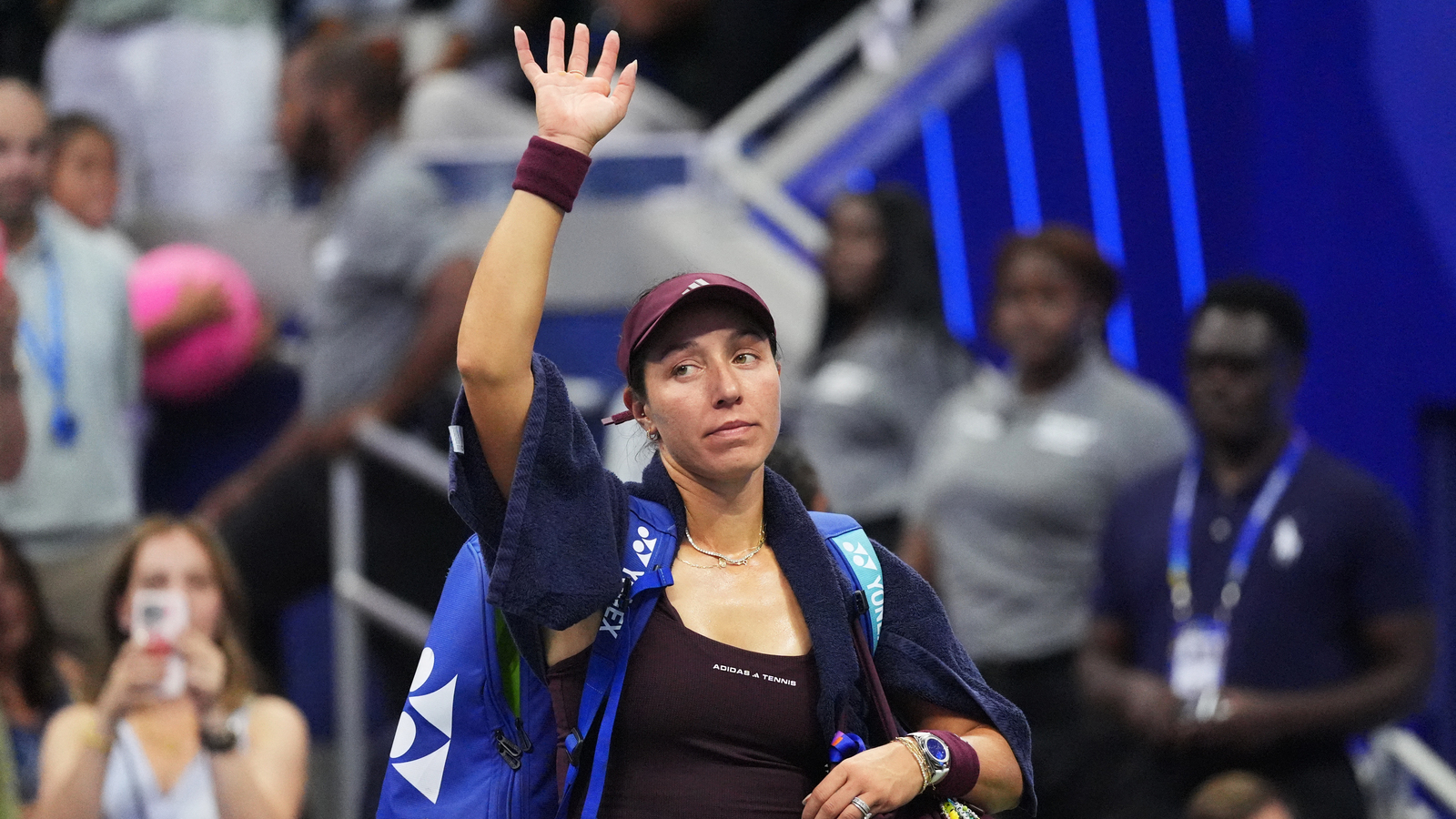
And I completely understand Svitolina’s position. Her country is at war. This isn’t a theoretical political disagreement for her, or something that can be set aside because a marketing department would like a pretty picture. The WTA has had years to understand the realities facing Ukrainian players and to figure out how to navigate them respectfully.
Nobody should expect Svitolina to compromise her principles for a promotional photograph. But surely an organization with the resources and experience of the WTA could have anticipated this issue and handled it with some degree of grace.
Instead, we’re left with an awkward absence where a beloved tradition used to be, accompanied by a corporate explanation about celebrating individuality. Perhaps the individual photographs really were planned independently of the geopolitical tensions. That has been reported, and it’s entirely possible.
But the larger point remains. When the realities of the world collide with professional sport, leadership requires something more substantial than finding a new marketing concept.
I should probably begin this section with a disclaimer. My hobby is to be a tennis pundit, not a fashion pundit
I understand the difference between Chanel and Balenciaga, at least in the sense that I know they’re not the same company. I’m also aware that fashion has become an important part of the commercial appeal of women’s tennis, and that many players genuinely enjoy expressing themselves through clothing.
Great. I’m all for it. But I’ve now seen the individual photographs from Indian Wells, and I have to say that this is one of the strangest-looking promotional shoots I’ve encountered in ages.
The WTA’s concept was to portray the players as spectators and superfans, wearing designer clothing in various settings around the tournament grounds. There was Chanel, Dior, Gucci, Miu Miu, Tom Ford and Balenciaga. The whole thing was styled, photographed and presented as a celebration of personality and fashion.
I really hope the players enjoyed themselves. Because from where I’m sitting, so much of it looks forced. The lighting, the poses, the locations, the overall premise. There are photographs that seem to be trying desperately to communicate some sophisticated editorial message that I’m apparently not fashionable enough to understand.
And maybe that’s the problem. These are eight of the greatest athletes in the world. They are extraordinary competitors who have earned their places through talent, discipline, sacrifice and an almost unimaginable amount of work.
Why does celebrating them have to be so complicated? I don’t object to tennis players wearing beautiful clothes. I don’t object to luxury brands investing in women’s tennis. And I certainly don’t object to athletes having lives and personalities beyond their sports.
What I object to is the growing tendency of sports organizations to confuse an elaborate marketing concept with an authentic celebration of athletic achievement. Sometimes the most powerful thing you can do is put eight extraordinary women in a room, photograph them beautifully and allow their accomplishments to speak for themselves. Of course, that brings us right back to the photograph the WTA didn’t take.
There’s a common thread running through all three episodes. The players haven’t created these problems.
Pegula didn’t ask to have her private conversation broadcast. Svitolina didn’t create the war in Ukraine. And the women participating in the fashion shoot presumably did their best to embrace whatever creative vision was presented to them.
The responsibility belongs to the people running the organization. That’s what bothers me most about this week. It’s the absence of judgment, of instinct, of the ability to recognize when something doesn’t feel right.
Good leadership isn’t simply about signing sponsorship agreements, securing television distribution or finding fashionable ways to promote your product. Those things matter, of course, particularly in a sport that deserves far more commercial investment than it has historically received.
But leadership also means understanding the people you’re supposed to represent. It means protecting their privacy. Recognizing their circumstances. Knowing when a tradition matters and when an elaborate promotional exercise is getting in the way of something more meaningful.
The WTA talks constantly about elevating women’s sports. Yet there are moments when it seems far more comfortable talking about the commercial possibilities surrounding its athletes than demonstrating a genuine understanding of those athletes themselves. And that’s a serious problem.
There’s also the peculiar reality that Indian Wells is essentially a one-year stopgap.
Beginning in 2027, the WTA Finals will move to Charlotte, North Carolina, under a three-year agreement. The WTA will also relocate its global headquarters there, making Charlotte the centerpiece of its next chapter.
I hope it works spectacularly. The WTA needs stability. It needs a permanent sense of occasion around its most important tournament outside the Grand Slams. It needs a championship that feels like the culmination of a remarkable season rather than an event perpetually searching for its identity.
And it needs leadership that understands how much women’s tennis has changed. The players are doing their part. They are competing at an extraordinary level, attracting new audiences and building their own brands in ways previous generations could barely have imagined.
The WTA should be keeping pace with them, not repeatedly finding ways to make their lives more complicated.
Indian Wells itself is a magnificent tennis venue. None of this is an indictment of the facilities or the people who work so hard to make professional tennis happen there.
But the buildup to this particular championship has felt strangely joyless. A privacy controversy. An abandoned tradition. An awkward attempt to navigate a deeply serious geopolitical reality. And a fashion shoot that, to my eyes, looks like somebody tried much too hard to make something happen. It’s all been a little weird. And a little icky. Which brings me back to Sunday afternoon.
When the tennis finally begins, we’ll get to watch some of the finest athletes on earth doing what they do better than almost anyone else. We’ll get to see the power, intelligence, courage and competitive spirit that make women’s tennis such a compelling sport. We won’t need microphones capturing private conversations or elaborate explanations about fashion concepts. We’ll just need the players, the court and the ball.
For a few hours, at least, the WTA’s leadership can get out of the way. And the women can remind everyone why we’re here in the first place.