andrés jaque questions the politics of utopia in an age of permanent connectivity

Utopias have a tendency to become less interesting as they become real. At first, they are exhilarating. They overturn conventions, ridicule authorities, and embarrass the present. Their authors anticipate what everyone else has not yet learned to desire. But sometimes, they happen. Archigram. Its visions of technological freedom, mobile architectures, continuous connectivity, and cities emancipated from fixed institutions were among the twentieth century’s most energizing propositions. Their irreverence was inseparable from their architects’ intelligence and biological vitality. Young minds were having enormous fun imagining the demolition of established orders, their hearts racing at possible worlds.
Now consider permanent connectivity. Work finds us everywhere. Platforms promise choice while concentrating power. Technologies celebrate freedom while organizing surveillance, extraction, segregation, and uninterrupted availability. The promise of mobility encounters selective and segregation-making fortified borders. The promise of flexibility encounters a housing crisis that displaces millions. Sophisticated computation accompanies warfare and the destruction of cities. Networks promising universal knowledge also industrialize disinformation.
What once looked like liberation can become an infrastructure of domination. Utopia did not simply fail. Its realization changed the politics of its promises. A utopia does not carry its politics intact into the future.
Blaming Archigram would be absurd. But the resemblance is disturbing. What once looked like liberation can become an infrastructure of domination. Utopia did not simply fail. Its realization changed the politics of its promises. A utopia does not carry its politics intact into the future. Something else has changed. Today’s crises emerge through interactions among computational systems, biological processes, economic institutions, and planetary ecologies. Housing is shaped by financial algorithms, property regimes, migration, and bodies struggling to survive. Climate instability connects atmospheric processes, energy infrastructures, industrial production, governance and predictive computation. Biodiversity loss involves agriculture, logistics, microbial ecologies, and land finance. Warfare combines automated detection with the destruction of bodies, habitats, and infrastructures.

These are not separate technological, social, and environmental problems. They are posthuman enactments in which computation and biology, sensing and decision-making, are inseparable. We struggle to imagine our participation in transformations whose production exceeds what we can sense. Yet we participate constantly. This makes experimentation at the thresholds of sensing an architectural question.
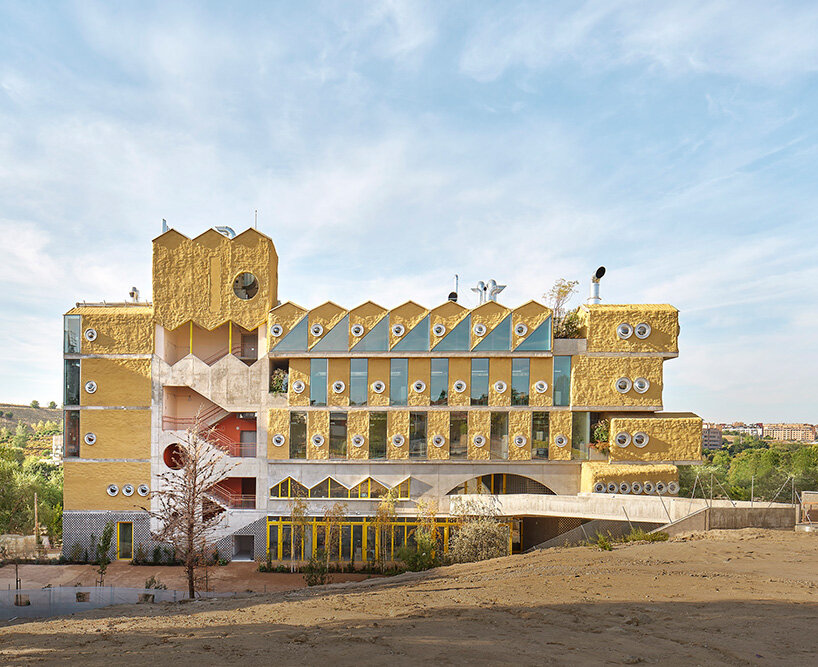
Experimenting now means entering the conflicts through which reality is being produced, rather than imagining alternatives from a safe distance. It means challenging what computational systems recognize, what institutions exclude, what bodies endure, and what other forms of life make possible. It means transforming not only what we know, but who and what can produce knowledge, intervene in decisions, and redirect their consequences. The radicality of architecture lies in making reality itself a site of collective experimentation, where the power to sense, contest, and transform is not merely imagined or proposed but enacted and bodyenvironmentally lived.
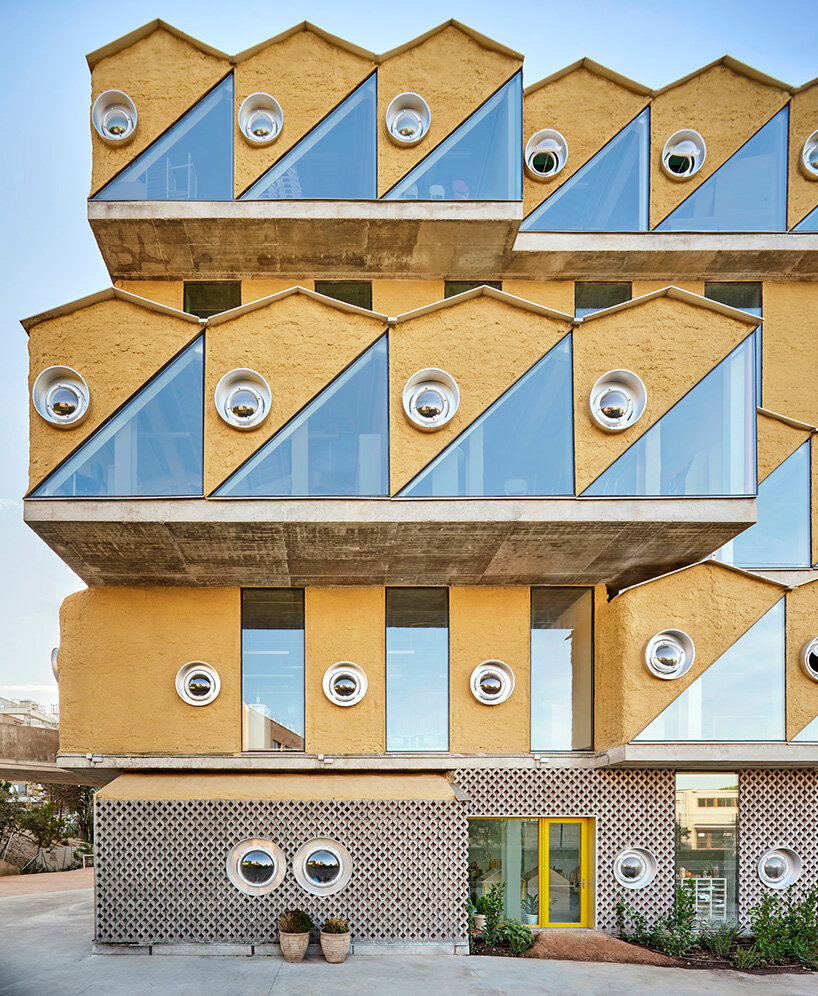
We struggle to imagine our participation in transformations whose production exceeds what we can sense. Yet we participate constantly.