From Nadal to Zverev: the six players who reached the semifinals at every Masters 1000

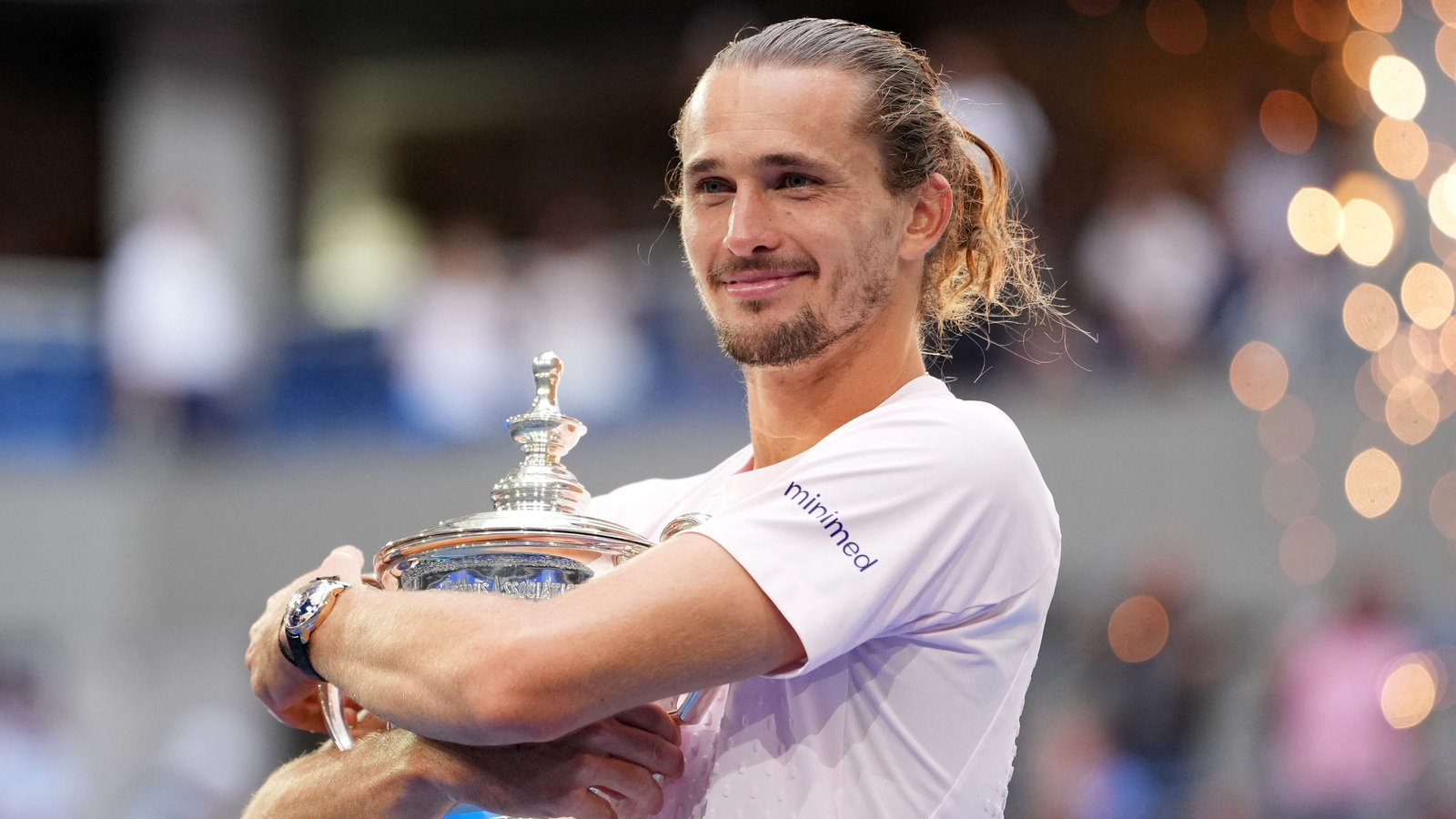
Only six players have reached at least the semifinals at all nine Masters 1000 events since the format began in 1990, and Alexander Zverev is one of them. Indian Wells was the last piece of his set: in March 2026 he beat Arthur Fils 6-2, 6-3 in the quarterfinals and reached his first semifinal in the desert.
He was the first player born in 1990 or later to do it, and Jannik Sinner completed his own set in Madrid in April. The feat is now part of the context of Zverev’s best season, which included two Grand Slam titles and the year-end No. 1 ranking, clinched on October 12.
The list matters because of how rarely the nine events line up. Players tend to be strong on one surface or in one part of the calendar. Reaching a semifinal in Monte-Carlo and Paris, in Indian Wells and Rome, in Shanghai and Cincinnati, requires winning matches on clay, hard courts, indoors, at altitude, in heat and in cold. Until 2026, four men had done it, and all four were Grand Slam champions who will be remembered among the best of the Open Era.
| Player | Completed at | Year | Masters 1000 titles | Masters match record |
|---|---|---|---|---|
| Rafael Nadal | Shanghai | 2009 | 36 | 410-90 |
| Novak Djokovic | Paris | 2009 | 40 | 420-97 |
| Roger Federer | Paris | 2010 | 28 | 381-108 |
| Andy Murray | Paris | 2015 | 14 | 230-101 |
| Alexander Zverev | Indian Wells | 2026 | 7 | 190-79 |
| Jannik Sinner | Madrid | 2026 | 10 | 123-29 |
Nadal completed the set in Shanghai in 2009, when he was 23. He leads the Masters 1000 with the highest winning percentage in the format, 82.0%, and finished his career with 36 titles and a 410-90 record.
The record has one hole: Miami. He reached five finals there and lost all five, which means the only Masters 1000 he never won is also an event where his consistency was never in question. His entry in this club is the least surprising, because his clay-court dominance, hard-court finals and indoor semifinals fit the profile of a player who could win everywhere.
There is also a timing detail that makes his place in the list stand out. Shanghai only became a Masters 1000 event in 2009, and Nadal needed just that first year to complete the set there. For a player who spent so much of his career being described by one surface, that is the strongest counter-argument: the nine-event standard is not about clay, and he met it in the first season that the full nine-tournament calendar existed in its current form.
His 410-90 record and his 82.0% winning percentage, the best in Masters history, also show that he did not complete the set by accident.