Alexandra Eala’s Asian Games decision ends without WTA penalty ahead of Wuhan return

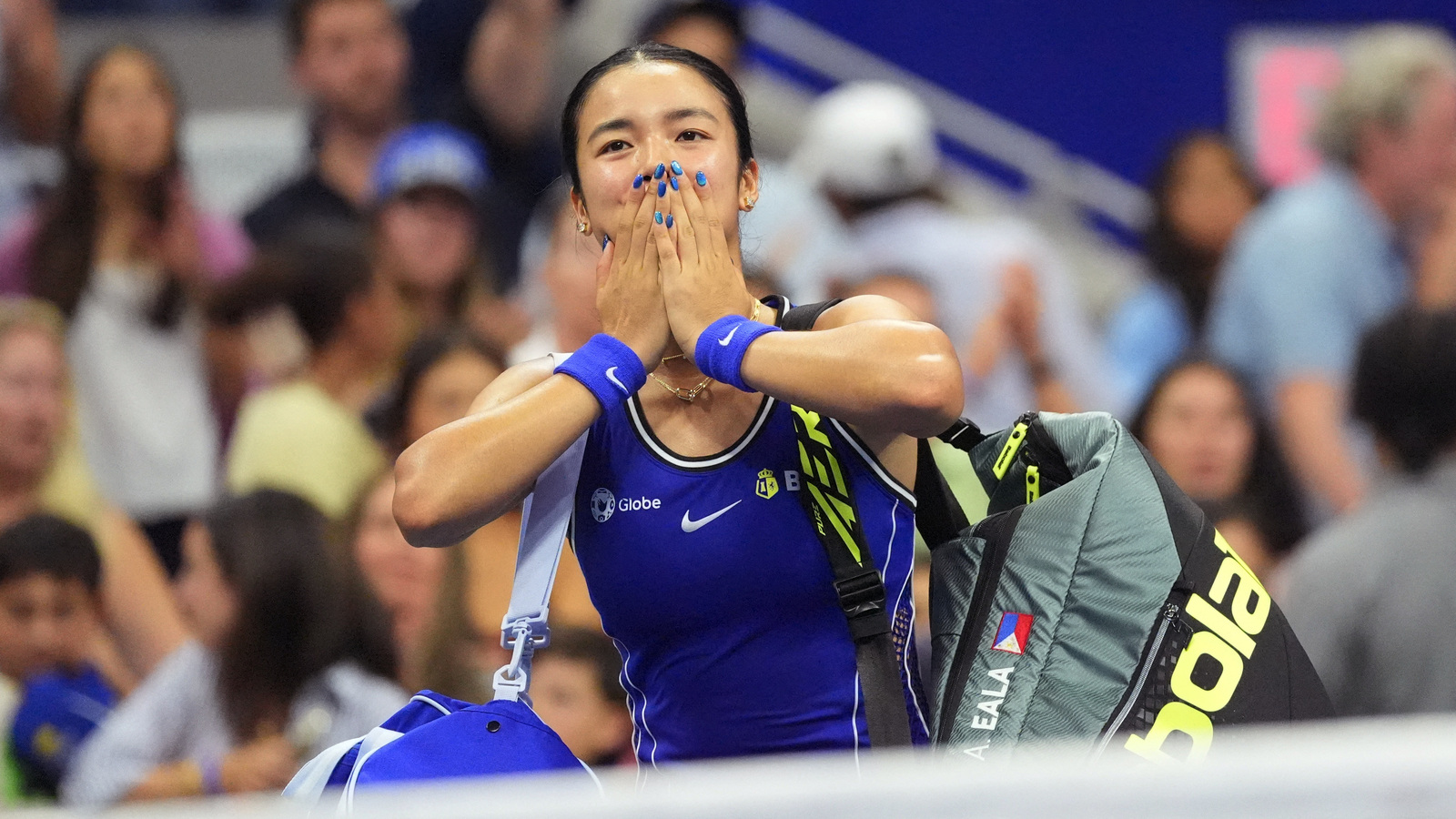
Alexandra Eala avoided a potential $10,000 penalty from the WTA after choosing to represent the Philippines at the 2026 Asian Games instead of playing the mandatory China Open. The Filipina received no sanction following her decision, according to Philippine Tennis Association (PHILTA) executive director Tonette Mendoza, allowing her to return to the professional tour after securing a bronze medal in women’s singles.
The Asian Games took place in Aichi-Nagoya, Japan, from September 30 to October 4, creating a scheduling conflict with the WTA 1000 tournament in Beijing. Eala chose national representation over the China Open, despite the possibility of financial and ranking consequences for missing a mandatory event.
PHILTA subsequently contacted the WTA to clarify the regulations and request that any potential punishment be waived. Mendoza confirmed that the governing body had not penalised Eala, although she said the WTA stopped responding after asking the federation questions about the player’s decision and the tournament’s Olympic qualifying status.
Eala’s next challenge is already approaching. The world No. 18 is set to compete at the Wuhan Open from October 12 to 18, marking her first tour appearance since the Asian Games. She will also contest the doubles draw alongside Turkey’s Zeynep Sonmez, giving her two opportunities to build momentum during the final WTA 1000 event of the regular season.
According to India Today, Mendoza explained that PHILTA wanted to establish whether Eala had independently chosen to play at the Asian Games and whether the competition served as an Olympic qualifying event. Both points were important to the federation’s case that representing her country should be treated differently from withdrawing from a mandatory WTA tournament for commercial or exhibition commitments.
“The WTA just asked us a few questions: if she made a decision on her own, meaning it was not under pressure from anybody in the government or the national federation, and if it is an Olympic qualifier for our country.”
PHILTA answered yes to both questions, after which the WTA did not respond further, according to Mendoza. She argued that the existing regulations were primarily designed to address players who skipped required tournaments to participate in exhibitions rather than athletes competing for their countries.
“Reading the rules of the WTA, the penalties and whatever points when you miss the mandatory tournament are really designed for players who omit these tournaments because they want to play in exhibitions,” Mendoza added. “It’s silent on representing the country.”