Chinese Cars Have Taken Over The UK, But They Could Be Hit With Tariffs

<!—->
Chinese car manufactures pose an existential threat to British car brands
https://www.carscoops.com/author/bradcarscoops-com/

17 minutes ago
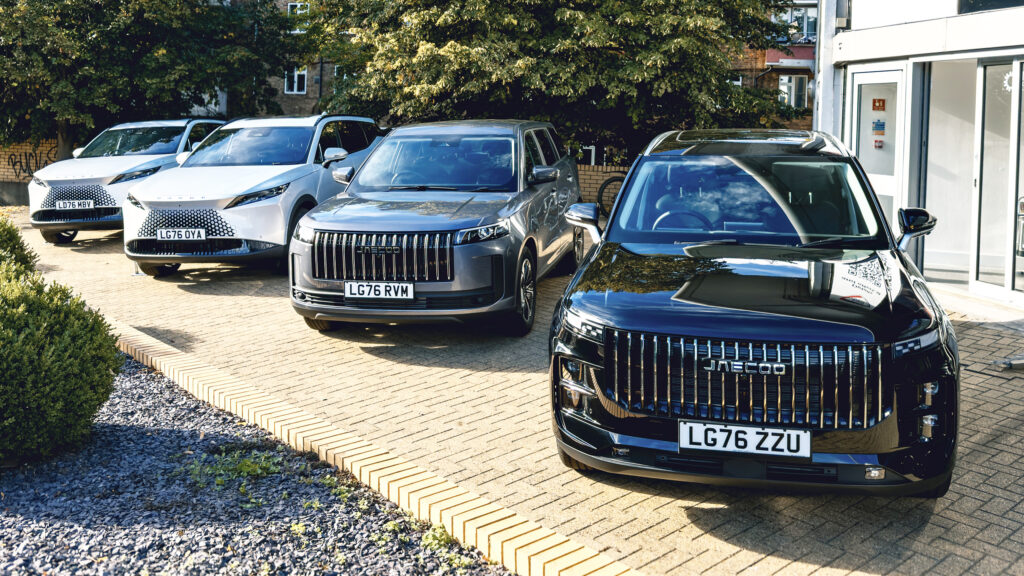

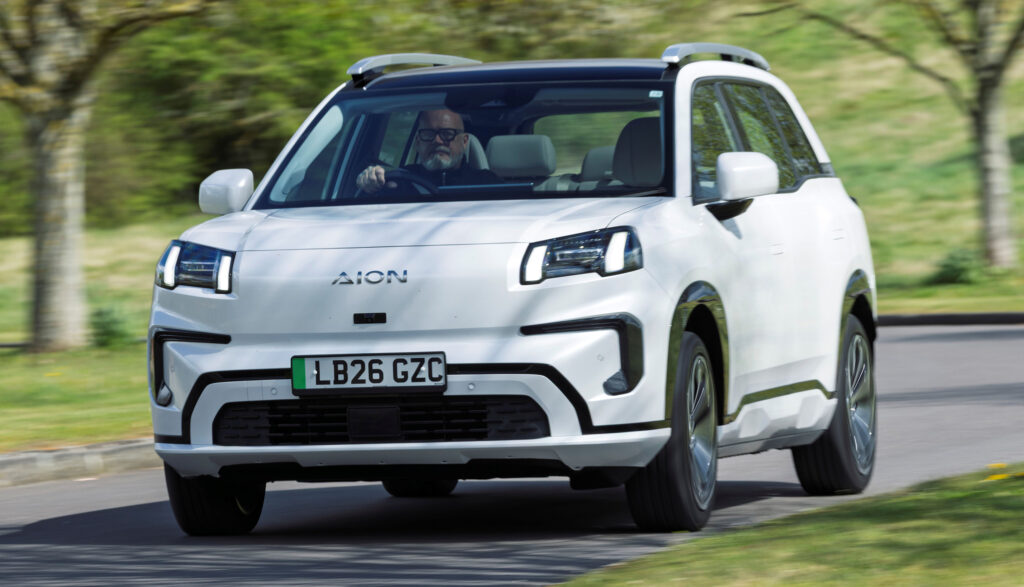
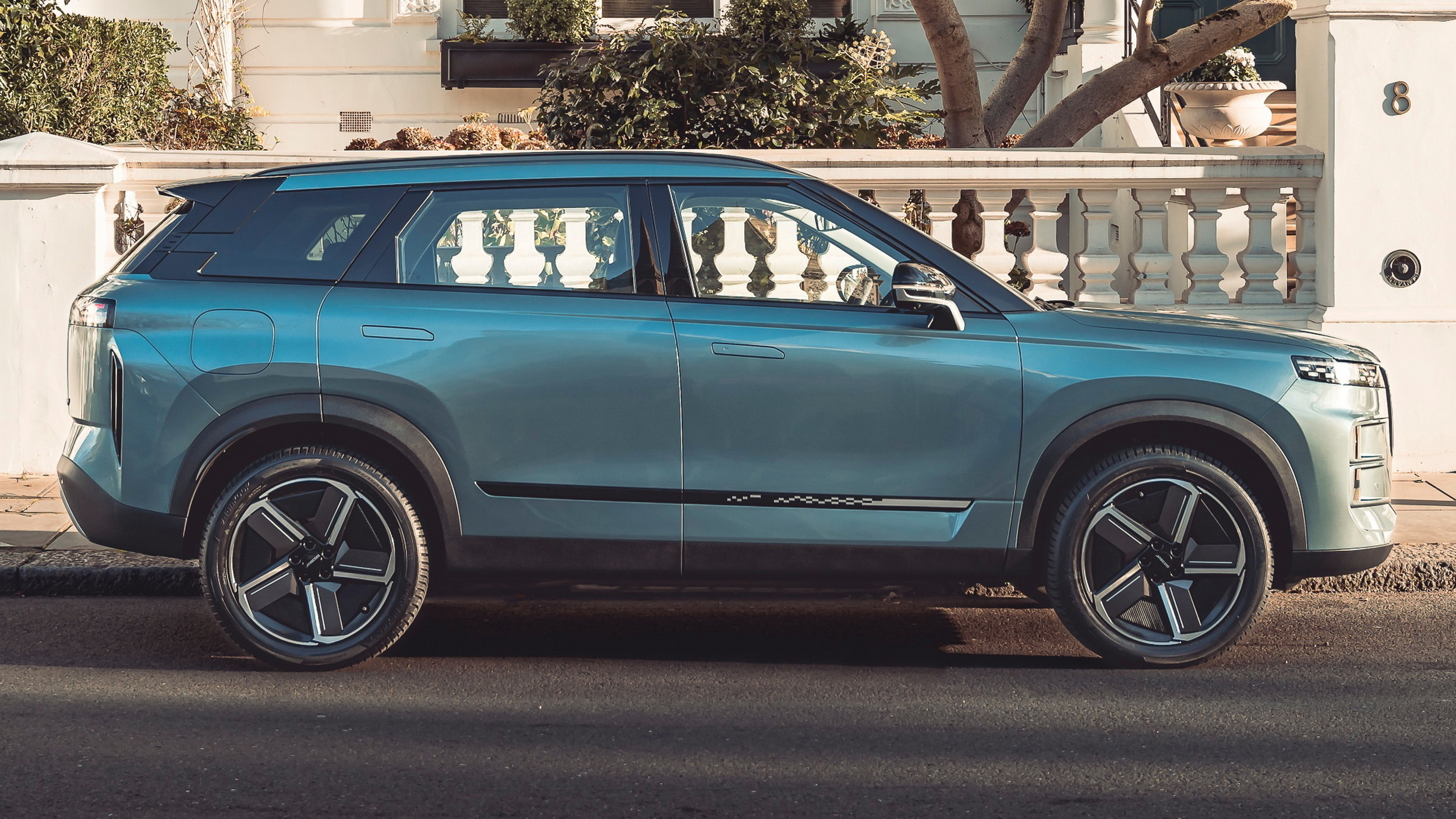
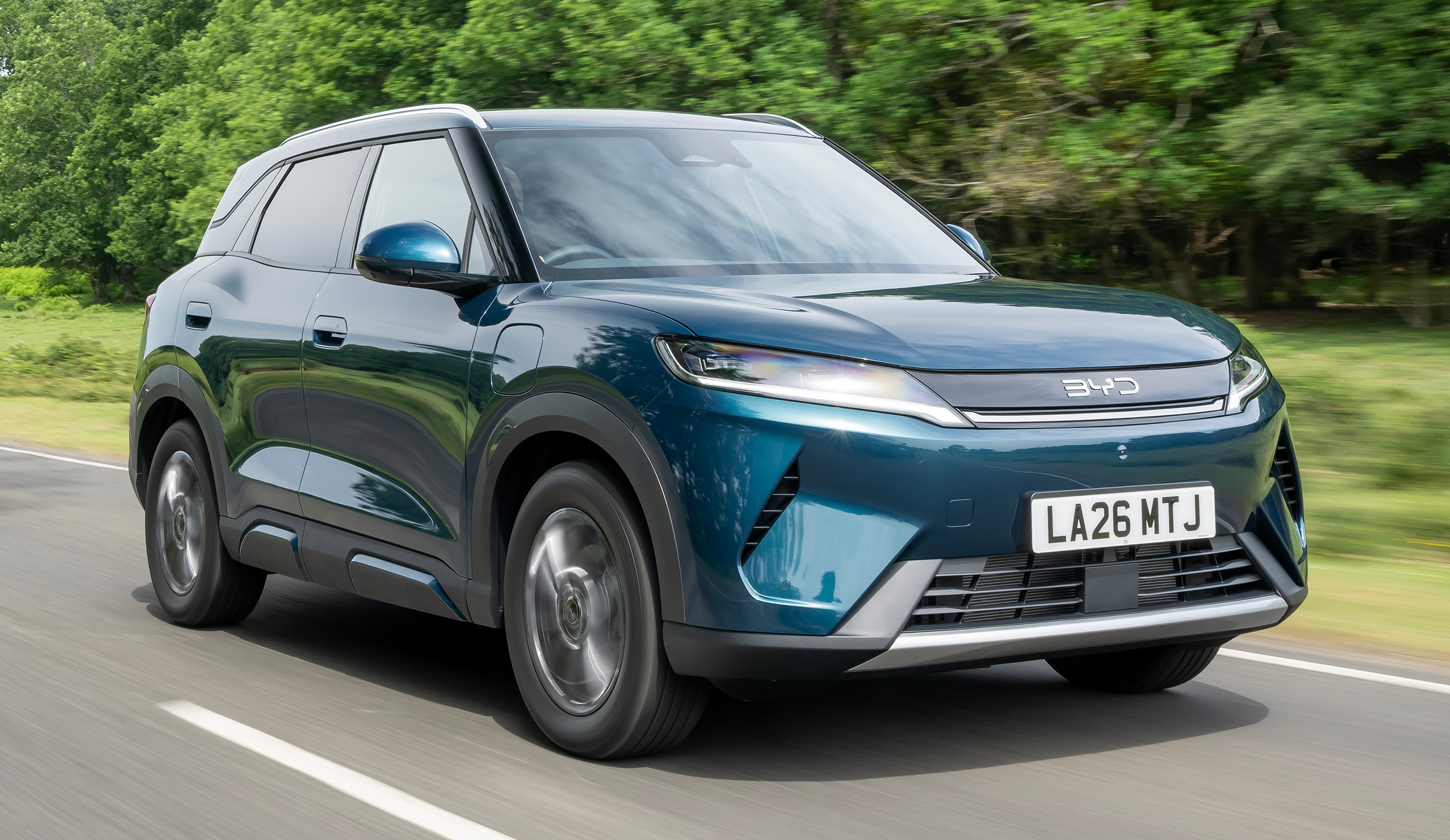
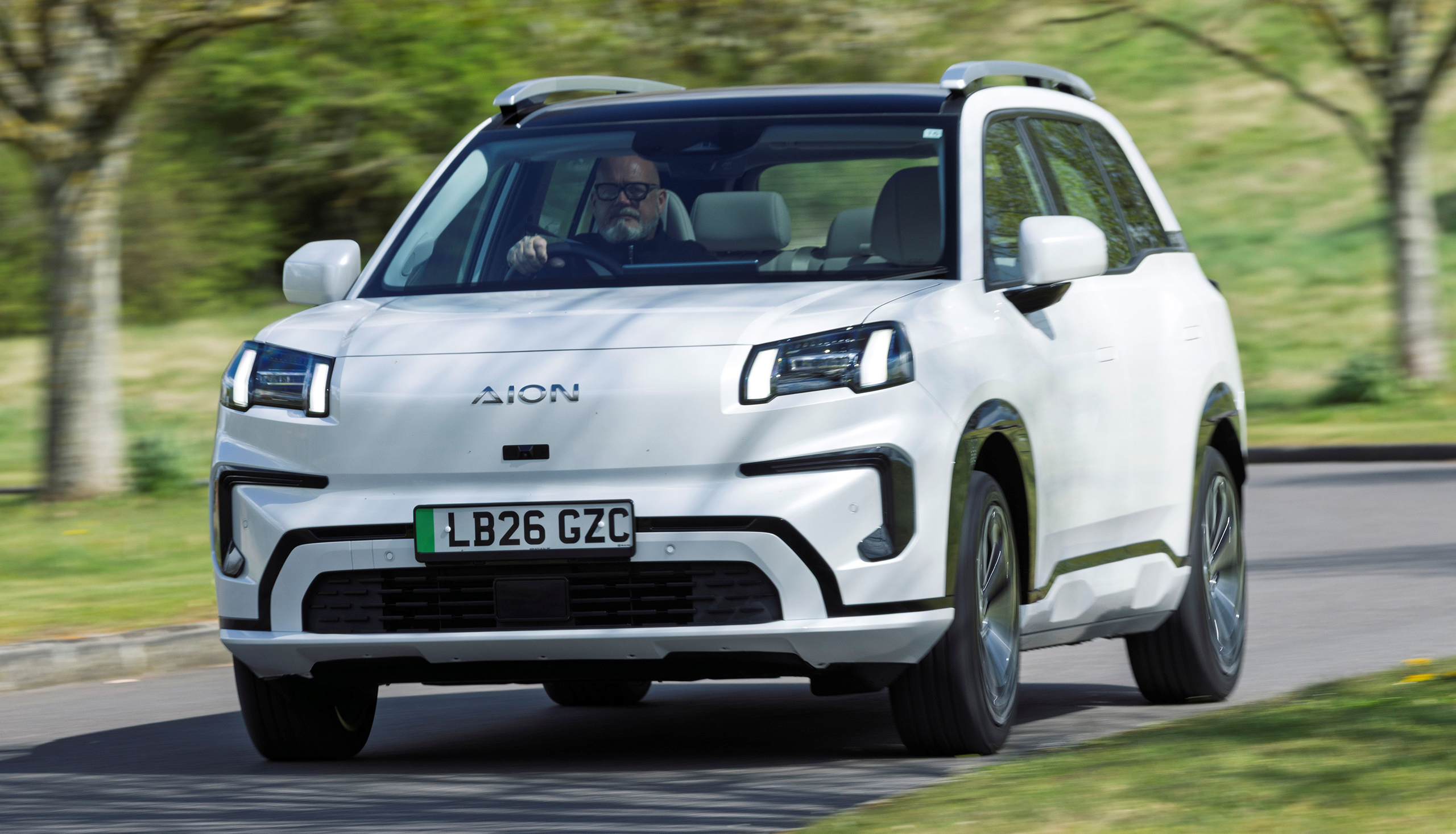
Demand for Chinese electric vehicles continues to surge across the UK, but this near-unrelenting growth could soon slow to a crawl. According to a new report, the UK may follow in the footsteps of the European Union and impose tariffs on EVs from China.
The push for tariffs is being led by the EU. Officials have reportedly told British ministers that unless the country hits Chinese vehicles with tariffs, then the UK could be cut out from the ‘Made in Europe’ scheme. If this were to happen, it would make it much more expensive for British car manufacturers to sell vehicles into the EU.
Read: Half Of British Drivers Would Now Buy A Chinese Brand They Couldn’t Name 3 Years Ago
The Sunday Times reports that UK business secretary Jonathan Reynolds has started drafting a package for tariffs in the lead-up to a summit being held between the UK and EU next month. Up until this point, the country has been reluctant to impose tariffs, but as sales of Chinese vehicles have surged, it appears they are now getting ready to act.
Jaecoo Tops Sales Charts
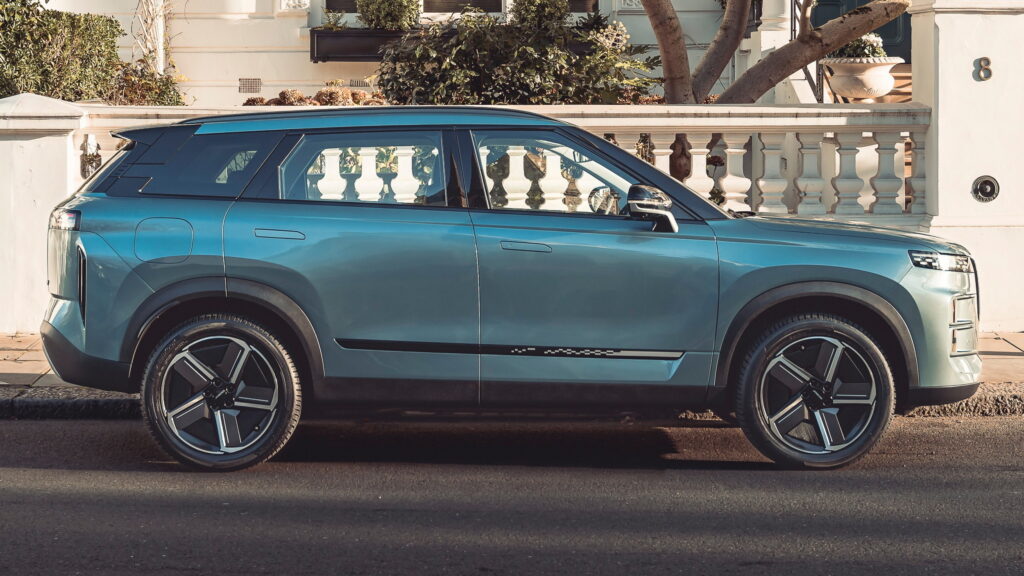
A look at recent sales data shows just how much demand there is for Chinese cars in the UK. In September, almost a quarter of all new cars sold in the UK came from China. The nation’s best-seller was the Jaecoo 7 with an extraordinary 10,812 sold last month, allowing it to even outsell the Tesla Model 3.
The Jaecoo 7, often referred to as a ‘Temu Range Rover,’ is sold in the UK with a 1.6-liter turbocharged petrol engine and a 1.5-liter plug-in hybrid. September was the second month this year that it has been a best-seller in the UK. It’s unclear if the UK is weighing up tariffs against combustion-powered models from China, but it’d be wise to do so if it really wants to stop brands like Chery, BYD, and others from taking over local roads.
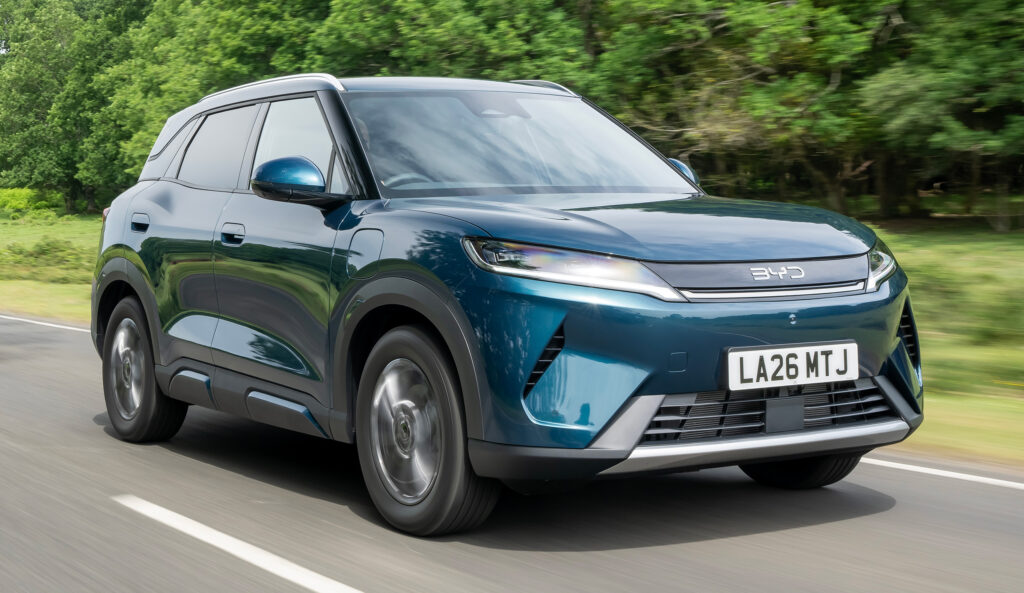
In the EU, EVs from China face tariffs of as much as 45 percent. Chinese brands quickly shifted their focus from EVs to plug-in hybrids after these tariffs were instated. Lawmakers in the bloc are now said to be weighing up the possibility of extending the tariffs to also include hybrids.
It appears British lawmakers are taking threats from the EU seriously. Last week, the Society of Motor Manufacturers and Traders indicated the Made in Europe rules threaten British car production. If this latest report is true, it seems the UK is about to choose sides, and in siding with Europe, it may turn its back on China.