Why younger generations are investing in childhood hobbies
United States
Breaking News:
USA Luge opens World Cup season with pair of doubles medals, Friedrich wins bobsled opener
Braves reportedly re-sign 1.99 ERA ace acquired from Giants at MLB trade deadline
5 big reasons the Steelers blew out the Broncos on Black Friday
Octavia Spencer reveals how she prepares for Auburn’s Iron Bowl showdown
Washington DC
Saturday, Nov 28, 2026

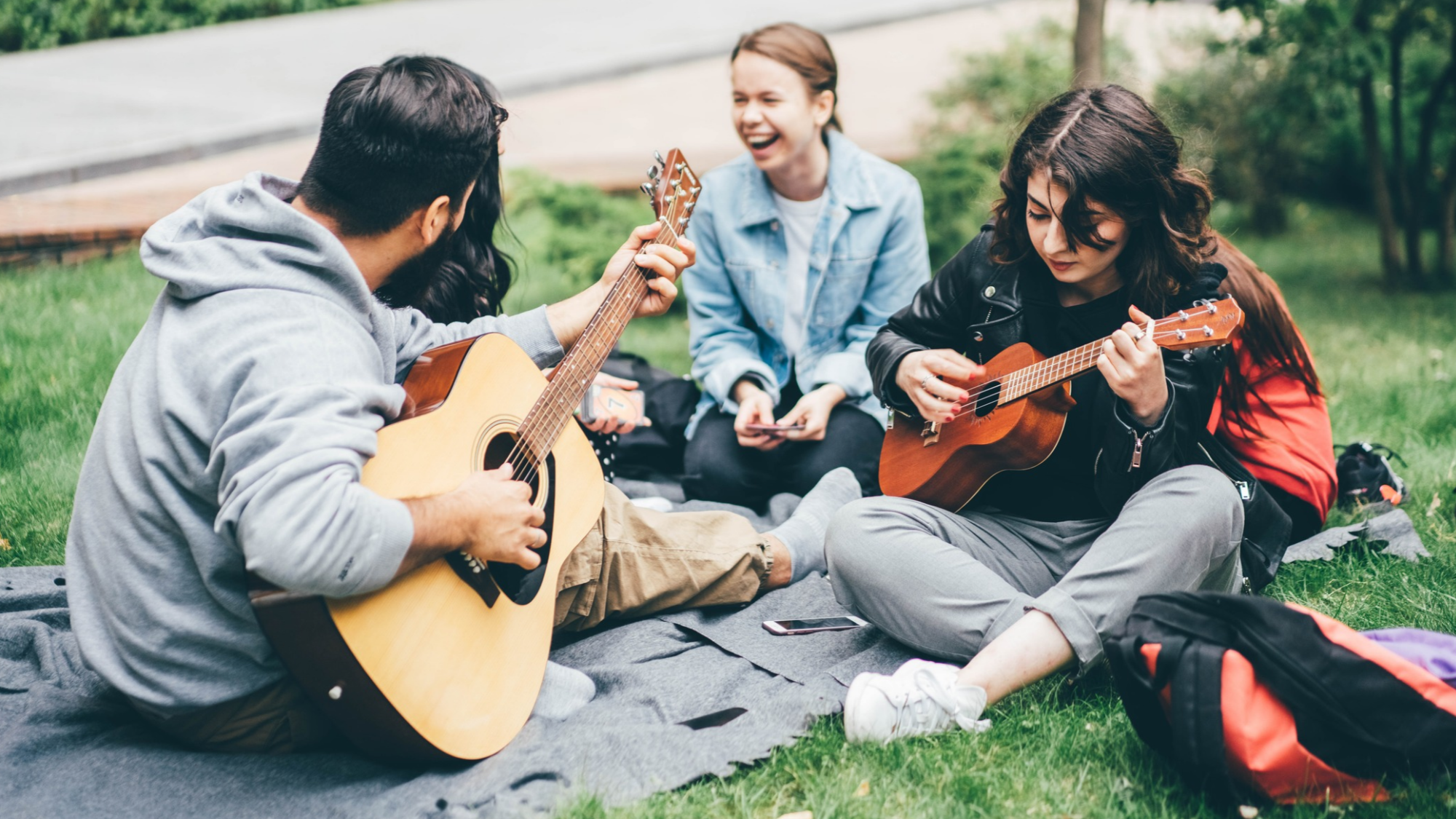
The term ‘hobbymaxxing’ refers to filling up one’s schedule with as many hobbies as possible. Young people frustrated by the proliferation of AI and sick of screen addiction are investing in more nondigital pastimes, many of which have a nostalgic bent.
It should come as no surprise that a generation increasingly “disenfranchised by AI” and averse to alcohol consumption is hobbymaxxing, said Sadiba Hasan at The New York Times. The newfound focus seems to be on “wholesome, creative and tactile activities.”
In 2026, posts on TikTok using #hobbies saw a 15% increase compared to the previous year. There have been “plenty of conversations” about how hobbies can provide much-needed “fulfillment,” said Rainesford Stauffer at Time, but indulging in childhood amusements specifically can help people step back and see “how much” they have “changed.”
Join more than 350,000 subscribers and keep yourself informed with a selection of The Week’s most interesting, enlightening and entertaining stories – plus daily puzzles.
Latest Videos FromThe Week US
While people have often looked for ways to monetize their favorite pastimes, this new approach is not rooted in finances. Bringing something from the “distant past” into your present creates a “very positive experience,” Dan P. McAdams, a psychology professor at Northwestern University, said to Time. It involves “integrating your life around something that was once really important to you.”
Unsuccessful attempts at dating have also led to an increase in the “time, energy and disposable income” young people put into their “passions,” said Hasan. Instead of “spending hours swiping and messaging on apps,” they are focusing on having “packed” calendars that make their lives “feel rich, with or without a romantic partner.”
Having a “full life” can ultimately benefit your relationships, dating coach Amy Chan said to the Times. When a person shifts their focus away from finding a partner and works on “establishing independence,” they develop a different outlook on dating. Investing time in hobbies “creates a positive ripple effect” on your romantic life because you no longer come “from a place of scarcity.”
Despite the rising cost of nonessential services and activities, known widely as ‘funflation,’ there seems to be no slowing down when it comes to hobby purchases, said Sawdah Bhaimiya at CNBC. According to an analysis by Bank of America, there was a 7.9% year-on-year increase in hobby-related spending in August 2026. A much higher number compared to the 3.4% increase related to other purchases.
A free daily email with the day’s biggest news and analysis – and the best features from TheWeek.com
Indulgent youngsters should, however, be wary of developing a “hobbying obsession,” said Grey Battle at The Washington Post. Taking it “too far” means the activities start to feel like “additional jobs.”
Digitalization has allowed us to optimize any activity through “metrics and digital record-keeping,” while “social media constantly exposes us to other people’s supposedly successful lives,” said cultural sociologist Sarah Pritz to the Post. This has changed our perspective on leisure, and some could begin to view hobbies as a way to improve productivity. Even “relaxation has acquired a purpose: to recover and perform better afterward,” said the Post.