Vulcan Centaur rocket fails during return-to-flight launch, 40 Amazon satellites lost (video)
United Launch Alliance’s (ULA) Vulcan Centaur rocket is back in action.
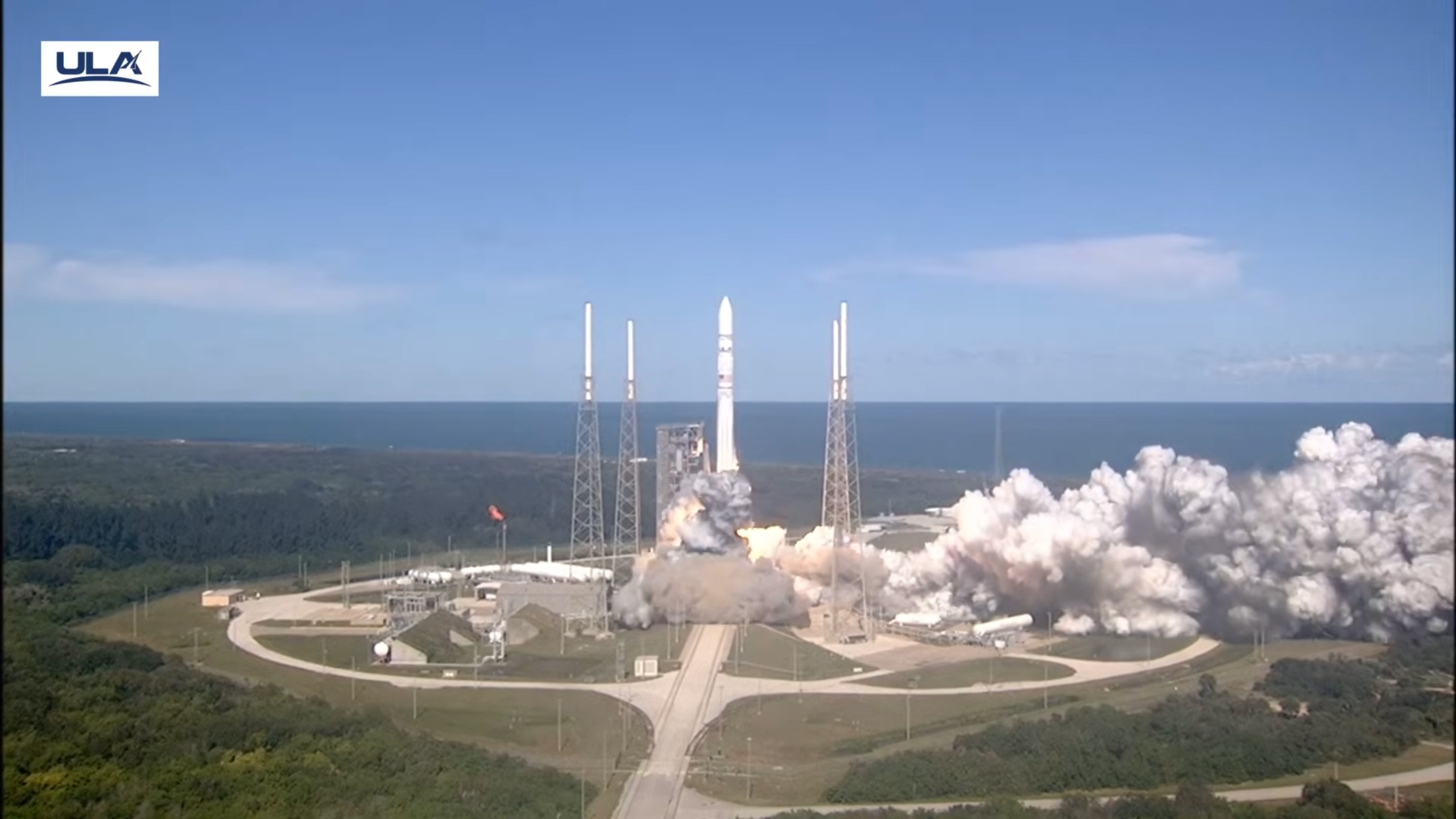
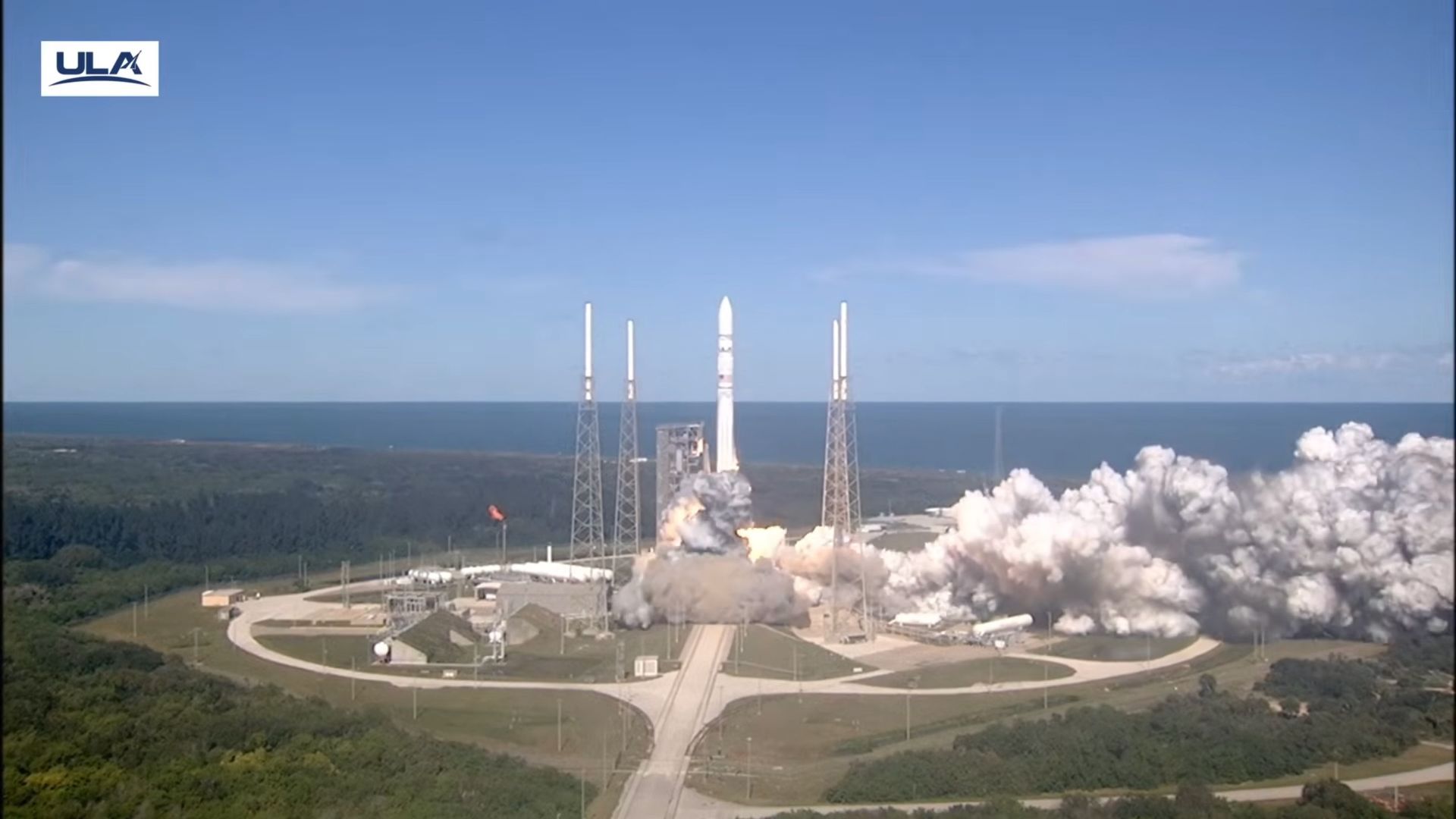
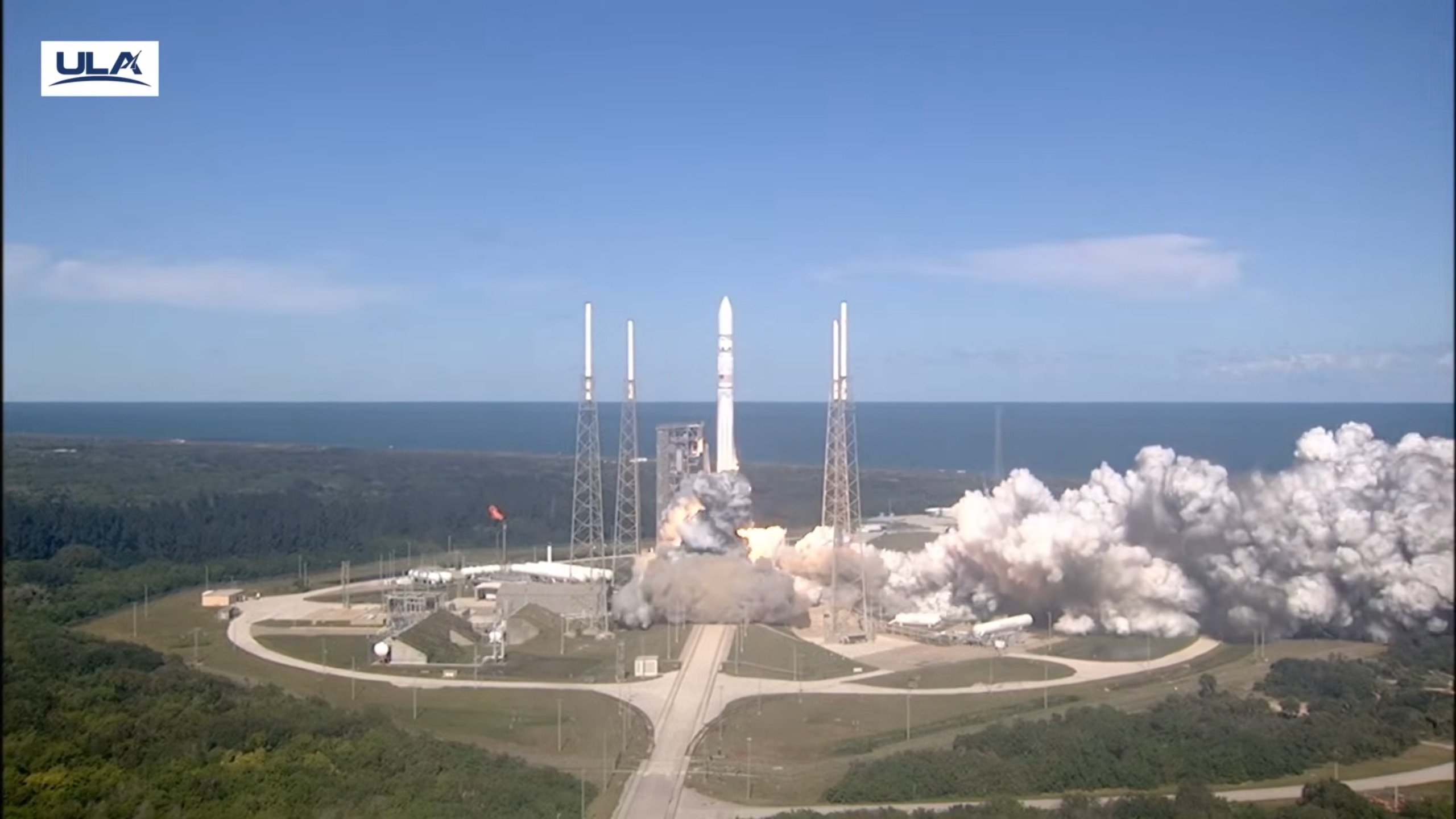
A Vulcan Centaur topped with 40 Amazon Leo internet satellites lifted off from Florida’s Cape Canaveral Space Force Station today at 12:40 p.m. ET (1740 GMT), after a two-day delay due to technical issues. It was the powerful rocket’s first liftoff since February.
If all goes according to plan, Vulcan Centaur will deploy the satellites over a 25-minute span beginning about 70 minutes after launch. They’ll be released roughly 270 miles (435 kilometers) above our planet.
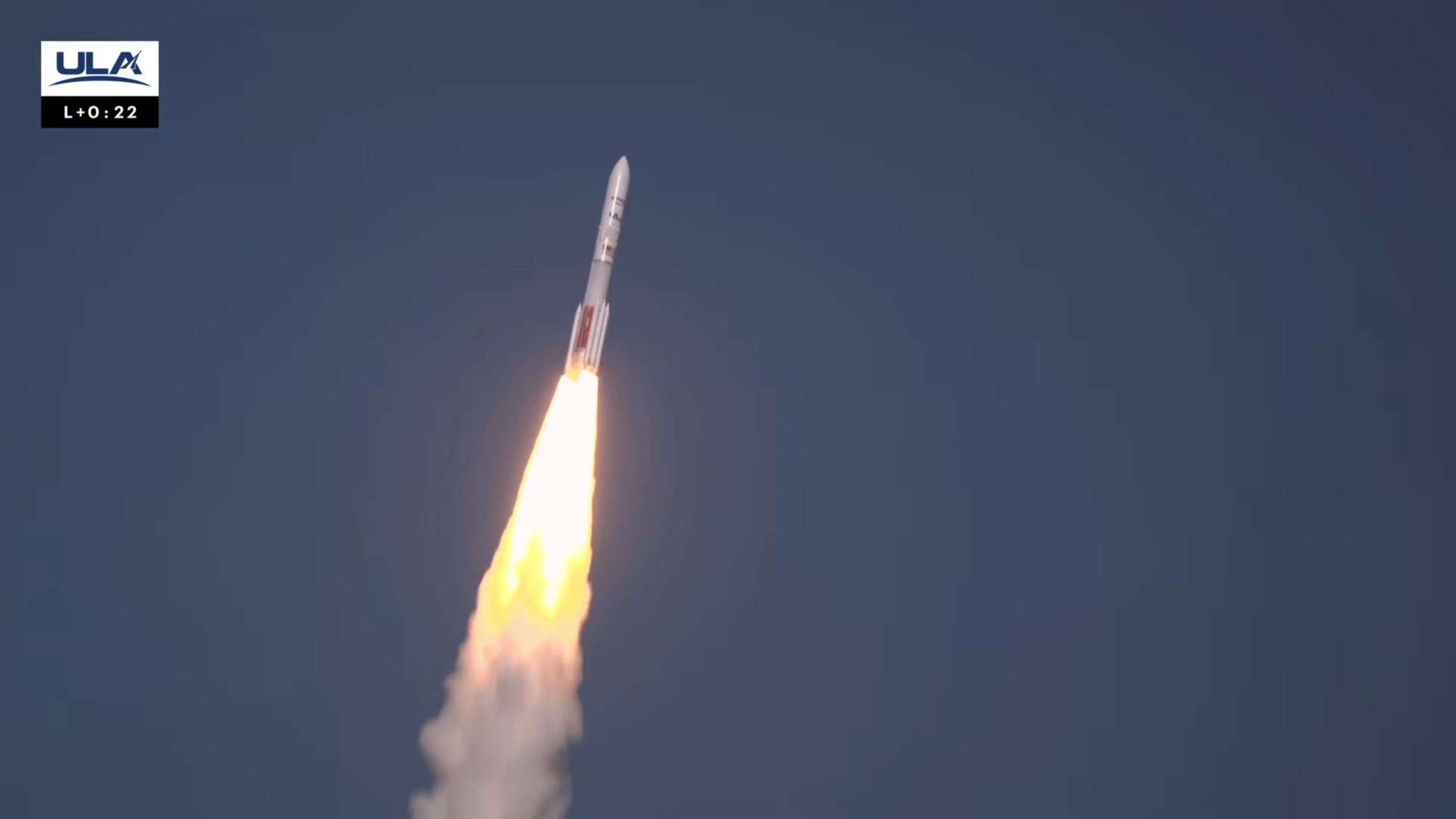
Vulcan Centaur is the successor to ULA’s workhorse Atlas V rocket, which has just a half-dozen launches left on its manifest.
Vulcan debuted in January 2024 and has now flown four more times since. On two of those missions — its second, in October 2024, and its fourth, in February of this year — the rocket experienced an issue with one of its solid rocket boosters (SRBs).
In both cases, an SRB nozzle burned through and fell off about 30 seconds after launch. Vulcan Centaur overcame the problem on both launches, successfully delivering its payloads to their designated orbits. But the U.S. Space Force was concerned enough that it decided to pause national security launches on Vulcan until ULA addressed the problem. (Vulcan’s third and fourth launches were Space Force missions.)
ULA worked hard on that front and got Vulcan ready to return to flight.
“The integrated team has made great strides in improving our understanding of the SRB anomaly that occurred on the previous Vulcan flight and have identified several potential contributors, which have been mitigated through design and process improvements to the nozzle,” the company said in an Oct. 28 update.
“To support our customers, this upcoming launch will utilize the improved nozzle design, and additional testing and analysis will continue in parallel with the mission,” ULA added. “By flying the improved design, ULA gains valuable flight data that validates these improvements and is the most beneficial path in support of all our customers.”
The company’s work paid off: The SRBs appeared to perform as expected during today’s launch.
Today’s launch helps build out Amazon’s broadband constellation in low Earth orbit (LEO), which was previously called Project Kuiper but is now known as Amazon Leo. It will eventually compete with SpaceX’s Starlink network, which has been up and running for several years.
Amazon Leo will eventually consist of more than 3,200 satellites. Before today, about 400 of them had reached space on 15 launches, which were conducted by three different rockets — the Atlas V, SpaceX’s Falcon 9 and Arianespace’s Ariane 6. Today’s launch was the first such mission for the Vulcan Centaur, which explains ULA’s name for the launch — Vulcan Leo 1.
The Amazon Leo launch was part of a very busy stretch in spaceflight. SpaceX launched its Starship megarocket on Friday (Nov. 13), on a test mission that featured the first-ever catch of the vehicle’s Ship upper stage. And Rocket Lab launched its 100th-ever mission early Saturday morning (Nov. 14), sending a private Japanese Earth-observing satellite to orbit.
Editor’s note: This story was updated at 12:50 p.m. ET on Nov. 15 with news of successful launch.