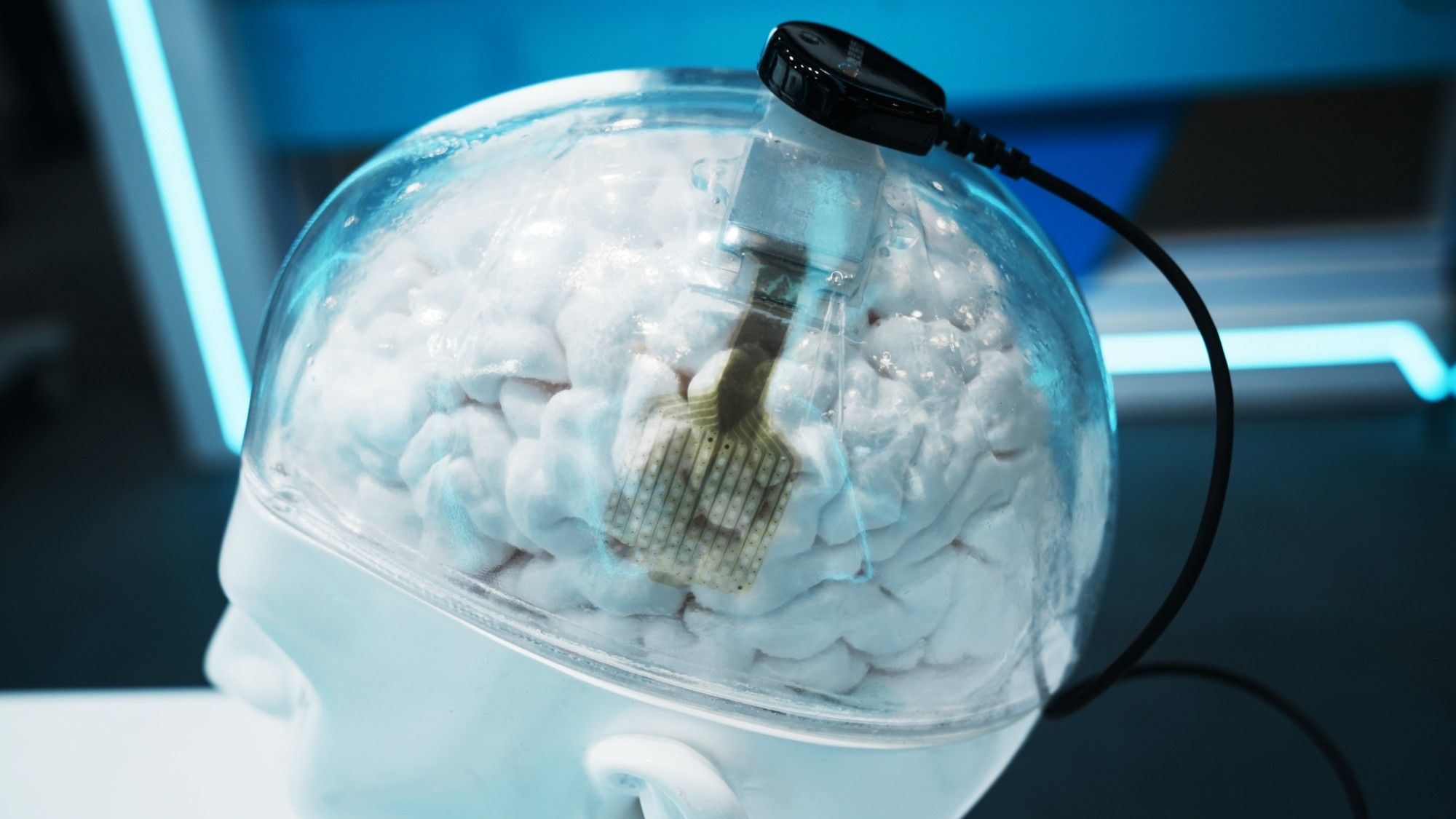
The UN warns about ‘mind reading’ technology
United States
Breaking News:
Washington DC
Saturday, Nov 28, 2026

A new United Nations report is sounding the alarm on another potential risk of our constantly evolving world: technology that could allow governments to “read minds” via brainwave interfaces. While your inner thoughts are mostly safe for now, the U.N. is worried this may not always be the case.
The U.N. believes this type of ‘neurotechnology’ is advancing so quickly that “governments’ ability to access and manipulate people’s brains could one day pose a threat to fundamental human rights,” said The New York Times, which first published the U.N.’s report. Neurotechnology “raises profound human rights challenges when applied to the administration of justice,” U.N. Secretary-General António Guterres said in the report, and its “expansion beyond clinical settings into investigative, judicial and correctional contexts introduces significant risks.”
This is not the first time the U.N. has issued warnings about the matter. The organization has been concerned about military applications of neurotechnology, especially “brain-computer interfaces, which translate brain activity into commands that can control devices such as computers or robotic prosthetic limbs,” said Politico. The U.N. fears that if a “brain-computer interface is used inappropriately by the military, it could lead to human rights abuses.”
Join more than 350,000 subscribers and keep yourself informed with a selection of The Week’s most interesting, enlightening and entertaining stories – plus daily puzzles.
Latest Videos FromThe Week US
In 2022, UNESCO also published a report on the ethical issues of neurotechnology. Unlike “many other frontier technologies, neurotechnology can directly access, manipulate and emulate the structure of the brain, which is central to notions of human identity, freedom of thought, autonomy, privacy and well-being,” said UNESCO’s report. Still, this marks the first time the U.N. as a whole is waving such a large red flag.
The U.N. report proposed some solutions to safeguard advancing neurotechnologies. It lists a “number of recommendations, including establishing regulations consistent with international law, recognizing thoughts as ‘highly sensitive personal data’ and requiring explicit consent for the use of neurotechnology in criminal justice settings,” said the Times.
The report also gives “states an opportunity to establish clear rules to regulate the use of neurotechnology, based on human rights,” Jeremy Laurence, a spokesman for the U.N. Human Rights Office, said to the Times. This should be accomplished before the technologies “become routine in investigations, courts and prisons.”
A free daily email with the day’s biggest news and analysis – and the best features from TheWeek.com
Explore More